Glass Neon Signs: The Original, Authentic Neon
Glass neon signs are the original. They are made from glass tubes bent by hand and filled with neon or argon gas that glows when an electric current passes through it. The tube sits on a backboard and runs through a transformer. This is real neon, the gas-and-glass original that LED neon was built to imitate.
Echo Neon makes both glass and LED, so this is a straight account of what glass neon is and where it fits, with no reason to push one over the other. For the full range of formats, see our guide to the types of neon signs. Here is what glass neon offers, what it costs you, and who it suits.
What Glass Neon Signs Are
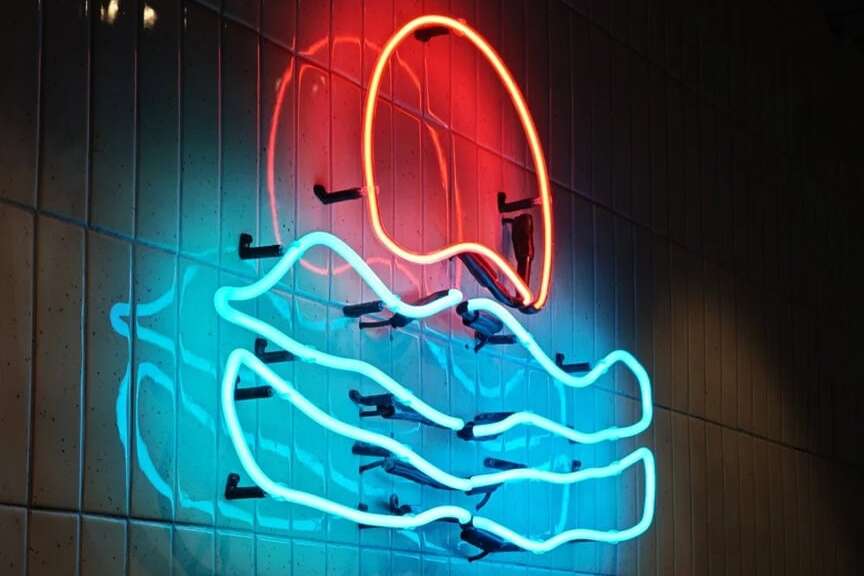
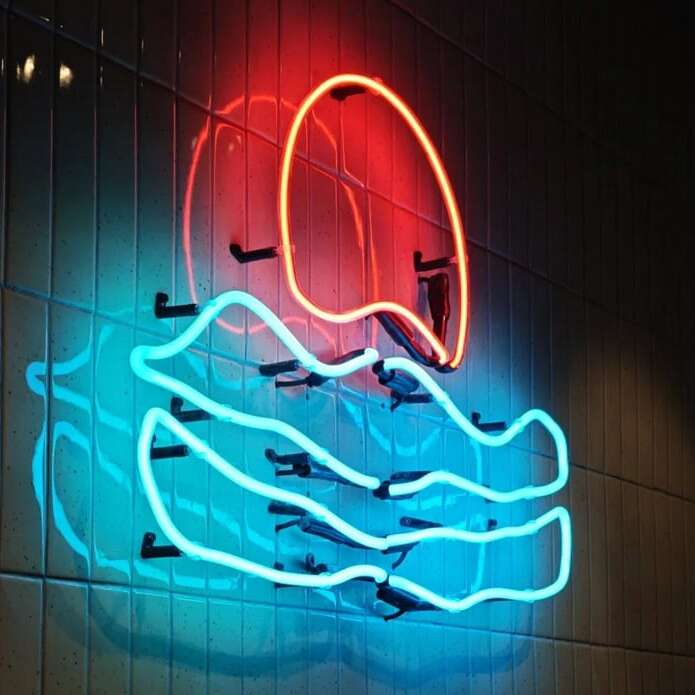
A glass neon sign starts as a length of clear or colored glass tubing. A tube bender heats it by hand and shapes it to the design, then fits an electrode at each end and fills the sealed tube with gas. Neon gas glows a warm red-orange, and argon glows blue. The finished tube is mounted on a backboard and powered through a transformer, which steps up the voltage the gas needs to light.
Because the light comes from gas inside the glass, glass neon is the real thing rather than a copy of it. For the full step-by-step of the craft, see how glass neon signs are made.
How Glass Neon Looks
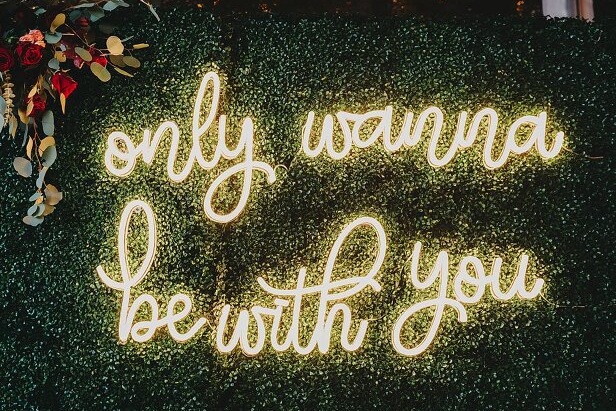
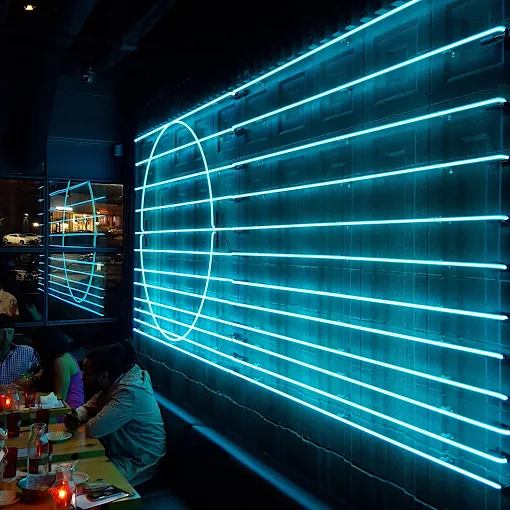
The look is where glass neon earns its place. The tube lights all the way around, a full 360 degrees, and sits proud of the backboard, so the sign has a sculptural, three-dimensional quality you can see from different angles. LED neon, by contrast, lights toward the front and sits flatter against its board.
Color in glass neon comes from the gas, the color of the glass, and any phosphor coating inside the tube. Because the gas glows and the glass surrounds it, the color has a depth that reads as dimensional rather than flat. This is why glass neon looks different in person, and why it photographs with a warmth that LED approximates but does not perfectly copy. You can see our glass neon work to judge it for yourself.
Why Choose Glass Neon
People choose glass neon for the authenticity. It is the original medium, the same gas-and-glass craft used on classic diners, theatres, and storefronts for a century. Each sign is bent by hand, so every piece is slightly unique, and many people value that handmade, collectible character. If the goal is the genuine vintage glow and the status of real neon, glass delivers it in a way a copy cannot.
The Tradeoffs
Glass neon asks for more in return. It costs more, because it takes more material and skilled hand labor. It is heavier and fragile, so it needs careful handling and shipping, and a cracked tube is a repair rather than a quick swap. The tube and transformer run warm, and the sign uses more power than LED. Glass also offers fewer colors, and it commonly lasts around 10,000 hours of use, less than LED.
None of that makes glass the wrong choice. It makes it a considered one. For a full side-by-side on cost, lifespan, safety, and look, see our guide to LED vs glass neon signs, and for what a glass sign costs, see how much neon signs cost.
That extra care continues after delivery, especially when a sign needs to be mounted or an individual tube is not lighting properly. Our glass neon installation, troubleshooting, and tube replacement instructions cover those situations step by step.
Who Glass Neon Is For
Glass neon suits anyone who wants the authentic original over the practical copy. It is a natural fit for a home bar, a restaurant, a storefront, or an art piece, and for collectors who want the real thing.
It is not always the right call. For a child’s room, a busy household, an event that travels, or an outdoor sign, LED neon signs are lighter, cooler, tougher, and cheaper, and they are the more practical choice. Echo Neon makes both, so you can pick the one that fits the space rather than the one a seller happens to stock.
Have a Glass Neon Sign Made
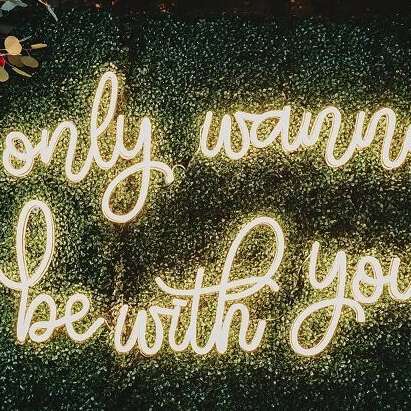
You can have a custom glass neon sign made in your own text, font, color, and size. Design a custom glass neon sign to start, and it comes back as hand-bent tube on a backboard, the real thing. If you want to see the quality first, browse our gallery of glass and LED work.
Frequently Asked Questions
A glass neon sign is made from a hand-bent glass tube filled with neon or argon gas that glows when electrified. It is the original, authentic form of neon signage, mounted on a backboard and powered through a transformer.
Yes. Glass neon uses real gas inside a glass tube, which is what neon originally means. LED neon imitates the look with LED tubing and is not gas, so glass is the genuine article.
A glass neon sign commonly lasts around 10,000 hours of use. That is less than LED, and because the light comes from a sealed glass tube, a crack means a repair rather than a quick replacement.
The glass tube runs warm and the transformer gives off heat, so glass neon is warmer to the touch than LED, which stays cool. For more on this, see neon sign safety.
Some traditional neon has historically used a small amount of mercury. Echo Neon’s glass neon is made mercury-free, so that is not a concern with our signs.
Yes. Glass costs more than LED for the same design, because it takes more material and more skilled hand labor.
Glass neon is best kept indoors. It is fragile and runs on high voltage, so for an outdoor sign, LED is the more practical and durable choice.
Neither is better in every case. Glass gives you the authentic gas glow and a sculptural look, while LED is lighter, cooler, cheaper, and more durable. To weigh them point by point, compare LED and glass neon.
Glass Neon, the Real Thing
Glass neon is the authentic original: hand-bent glass, real gas, a 360-degree glow, and a sculptural depth a copy cannot match. It costs more and asks for more care, but for the genuine vintage look, that is the point. Echo Neon makes it by hand.
If glass is the look you want, design a custom glass neon sign, or head back to the types of neon signs to weigh your options.