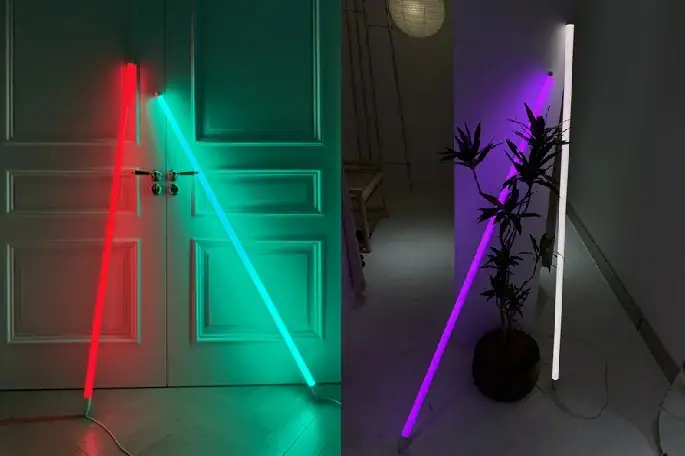




What Are LED Neon Signs
LED neon signs are signs that recreate the look of traditional neon using LED modules inside flexible silicone or PVC tubing, mounted on a clear acrylic backboard. They do not use neon gas. The tubing spreads the LED light into an even glowing line that looks like a lit glass tube, and the whole sign runs on a low-voltage 12V plug.
That point is worth stating plainly, because most LED neon listings skip it: LED neon is not real neon. It is an LED product built to copy the neon look, and it copies it well. LED neon is one of the two main types of neon signs, alongside traditional glass neon.
This guide covers how LED neon signs work, what they are made of, why people choose them, how they compare to glass neon, and how to design your own.

How LED Neon Signs Work
An LED neon sign produces light using LED modules instead of gas. The light comes from the diodes, and the tube around them spreads it into a smooth, even line.
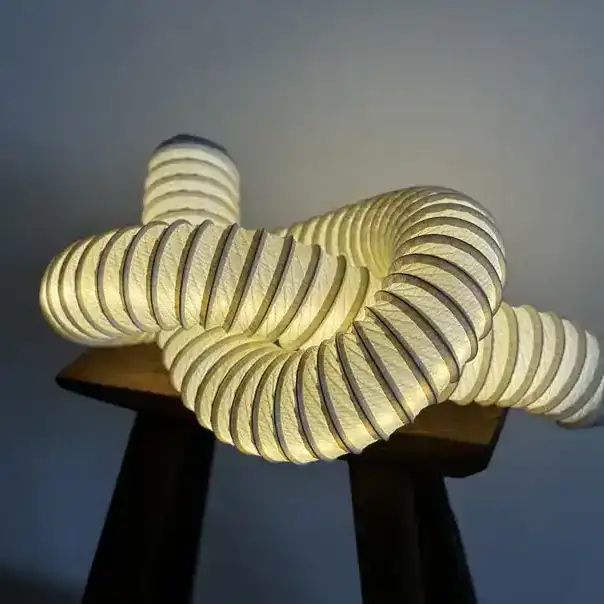
Each LED is a small semiconductor. When electric current passes through it, the diode emits light. A row of these LEDs sits inside a flexible tube made of silicone or PVC. The tube is not clear glass. It is a soft, frosted material that diffuses the points of light into a continuous glow, so you see a lit line rather than a string of dots. The strip then mounts on a cut acrylic backboard shaped to your design.
LED neon runs on low voltage. A small 12V power adapter steps household power down to what the LEDs need, so there is no high-voltage transformer and no exposed glass. That low-voltage design is the reason LED neon stays cool, installs easily, and is safe to handle. The materials that make this possible are simple, and worth knowing before you buy.
What LED Neon Signs Are Made Of
An LED neon sign is made of four main parts: LED modules, a flexible tube, an acrylic backboard, and a low-voltage power supply. Each part has a clear job.
The LED modules are the light source, set in a line to produce the color you choose. The flexible tube, made of silicone or PVC, holds the LEDs and diffuses their light into an even glow. The acrylic backboard is the clear or colored panel cut to the shape of your design, with the tube fixed to it and pre-drilled holes for hanging. The power supply is a 12V adapter that plugs into a standard outlet.
Because the tube is flexible and the backboard is acrylic rather than glass, an LED neon sign is light, hard to break, and simple to ship and hang. Those material choices lead directly to the benefits people look for.
Benefits of LED Neon Signs
People choose LED neon signs for a handful of practical reasons. The main benefits of LED neon signs include the following:
- Energy efficient: LED neon draws little power and costs little to run.
- Durable: the flexible tube and acrylic backboard resist breakage far better than glass.
- Safe to handle: LED neon runs on low voltage and stays cool to the touch, which suits homes and children’s rooms.
- Lightweight: an LED sign is easy to ship, hang, and move.
- Flexible shapes: LED flex bends into tighter curves than glass, so detailed logos and script are easier to make.
- Wide color range: LED neon comes in many colors, including RGB options that change color.
- Easy to install: most signs hang with a few screws and plug straight into an outlet.
These benefits are why LED neon has become the default choice for home decor, events, and everyday business signage. Glass neon still has its place, and the difference is worth a closer look.
LED Neon vs Glass Neon
LED neon wins on cost, durability, safety, and energy use. Glass neon wins on authentic gas-light glow and vintage character. That is the short version.
LED neon is cheaper to make, lighter, and longer lasting, and it stays cool and shatter-resistant. Glass neon uses real gas-discharge light, which gives it a warmth and depth that many people prefer for a vintage look, at a higher price and with more care required. Neither is better in every case. For a full side-by-side on cost, lifespan, safety, and aesthetics, see how LED neon compares to glass neon.
How to Design a Custom LED Neon Sign
You can turn your own text, logo, color, and size into a custom LED neon sign in a few steps. The design process is quick and shows the price as you go.
Start with your words or upload a logo. Pick a font and a color from the available range, including RGB color-changing options. Set the size to fit your wall or space. The builder shows your design and updates the price as you make changes, so there are no surprises before you order. After that, your sign goes into production and ships to you. You can design a custom LED neon sign now, and add a dimmer at the order stage if you want control over brightness.
Where LED Neon Signs Are Used
LED neon signs fit almost any indoor space and many outdoor ones. The best design choices change with the setting.
At home, LED neon works as wall art in bedrooms, living rooms, home bars, and kids’ rooms, where its cool, low-voltage design is a safe fit. For events, LED signs make popular wedding and party backdrops, since they are light and easy to hang. For business, LED neon turns a logo or tagline into bright, readable signage for storefronts, cafes, salons, and offices. To browse signs grouped by where they go, explore LED neon signs by use case, or see our work for examples in both LED and glass.
Frequently Asked Questions
No. LED neon signs do not contain neon gas. They use LED modules inside a flexible tube to copy the neon look. The effect is close, and most people cannot tell the difference at a glance.
Yes. LED neon signs run on low-voltage 12V power, stay cool to the touch, and sit on a shatter-resistant acrylic backboard, which makes them safe for homes and children’s rooms. For more detail, see neon sign safety.
LED neon signs commonly last tens of thousands of hours of use, often cited in the range of 30,000 to 50,000 hours or more. Run a few hours a day, that is many years of service.
No. LED neon signs draw a small amount of power, similar to a few household light bulbs, so they cost little to run. For a closer look, see how much electricity neon signs use.
Yes, with the right protection. LED neon signs can go outdoors with splash-proof treatment and cover from direct rain, under an overhang. See indoor vs outdoor neon signs for the details.
Yes. Many LED neon signs offer RGB color-changing options, which let one sign switch between colors. See RGB and color-changing neon signs for how they work.
Yes. LED neon signs are safe to leave on and use little power. Steady use is also easier on the parts than frequent switching.
Yes. You can design a custom LED neon sign by choosing your text, font, color, and size in the builder, which shows the price as you go.
Should You Choose an LED Neon Sign
An LED neon sign is the practical choice for most spaces. It copies the neon look with LEDs in flexible tubing, runs cool on low voltage, lasts for years, and costs less than glass. It is not real neon gas, but for home decor, events, and everyday signage, that rarely matters next to the lower cost and easier handling.
If you want the authentic gas-light look instead, glass is worth the premium, and it helps to compare both types of neon signs before you decide. When you are ready, build your LED neon sign in the color, font, and size you want.