

Neon Signs Explained: LED Neon, Glass Neon, and How to Choose
Neon signs are illuminated signs that produce light in one of two ways. Traditional glass neon uses hand-bent glass tubes filled with neon or another noble gas. Modern LED neon uses LED modules inside flexible silicone tubing, mounted on a clear acrylic backboard. Both formats can be bought ready-made or designed as a custom sign.
Echo Neon makes both. That matters for a guide like this, because most comparisons of the two are written by shops that sell only one. This page explains how neon signs work, the real difference between glass and LED, what each one costs and how long it lasts, whether they are safe, and how to design your own. It also points you toward neon signs built for a specific occasion or space when you already know what you need.
The TL;DR version is that glass neon gives you an authentic vintage glow and real craftsmanship. LED neon gives you lower cost, longer life, and easier handling. Neither is better in every situation. The right choice depends on where the sign goes and what you want from it.

What Are Neon Signs and How Do They Work
A neon sign works by running electricity through a tube to create steady, colored light. The method depends on the type of sign.
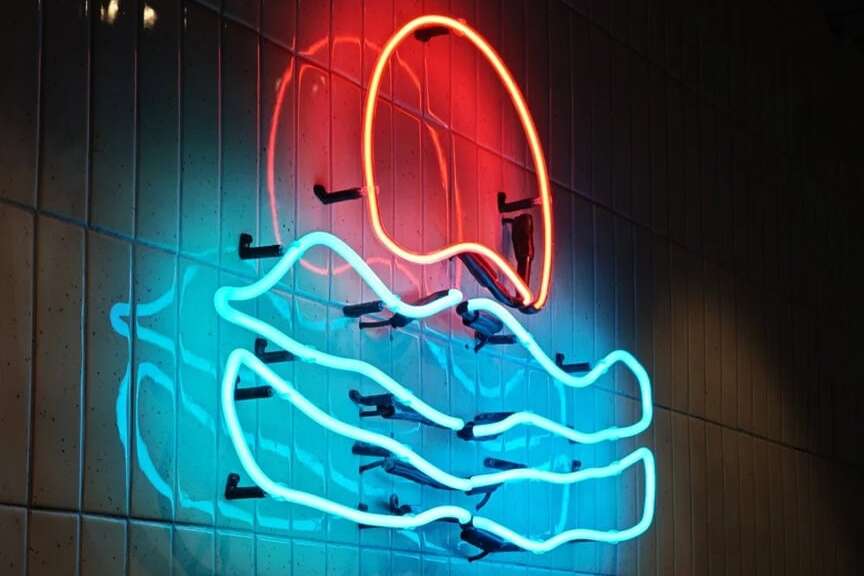
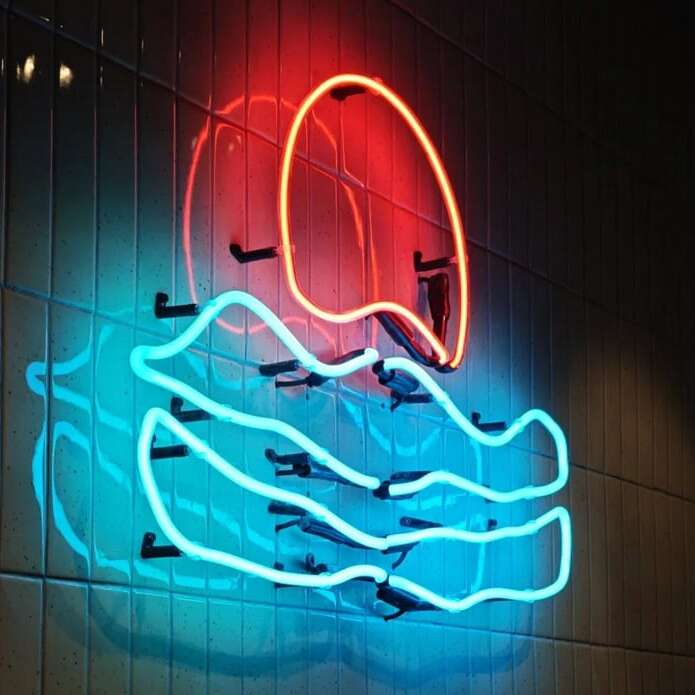
In a glass neon sign, a sealed glass tube holds a small amount of neon or another noble gas. Electrodes sit at each end of the tube. When high voltage passes through the electrodes, it energizes the gas, and the gas glows. Pure neon produces the classic reddish-orange color, while other gases and coated tubes produce other colors. This is the original technology, first shown publicly by Georges Claude at the 1910 Paris Motor Show.
An LED neon sign skips the gas. It uses a row of LED modules inside a flexible silicone tube. The tube spreads the light into an even line that looks like a lit glass tube. The whole strip mounts on a cut acrylic backboard and runs on a low-voltage 12V plug. Because the light comes from LEDs rather than gas, an LED neon sign runs cooler, weighs less, and bends into tighter shapes.
Both types create the same glowing-line effect. The difference is what sits inside the tube, and that one difference drives everything else: the look, the cost, the lifespan, and the safety. If you want the full process behind each format, see how neon signs are made, from glass bending to LED assembly.
The Two Types of Neon Signs: Glass and LED
Neon signs come in two main types: traditional glass neon and LED neon. Each produces light differently and suits a different purpose.
Glass neon is the original
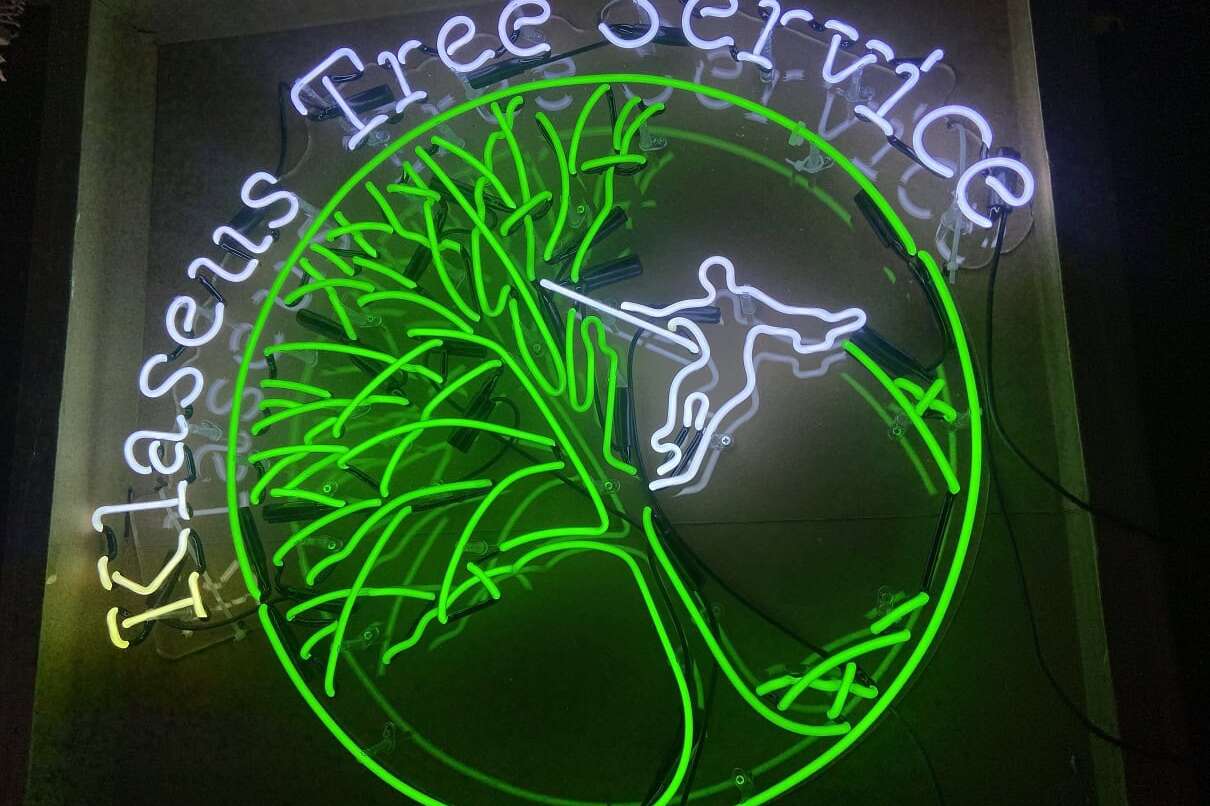
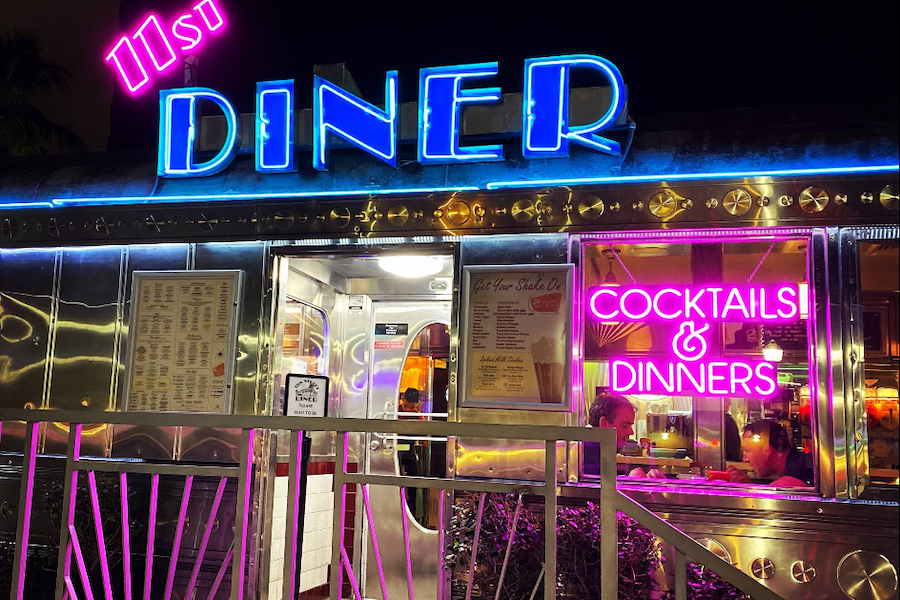
A skilled artisan heats and bends glass tubing by hand, fills it with gas, and seals it. The result has a depth and warmth that comes from real gas-discharge light. Glass neon carries a vintage, analog character that many people associate with classic diners, bars, and storefronts. It is heavier, more fragile, and more expensive to make, because every piece is shaped by hand. You can shop glass neon signs or have one made to order.
LED neon is the modern version
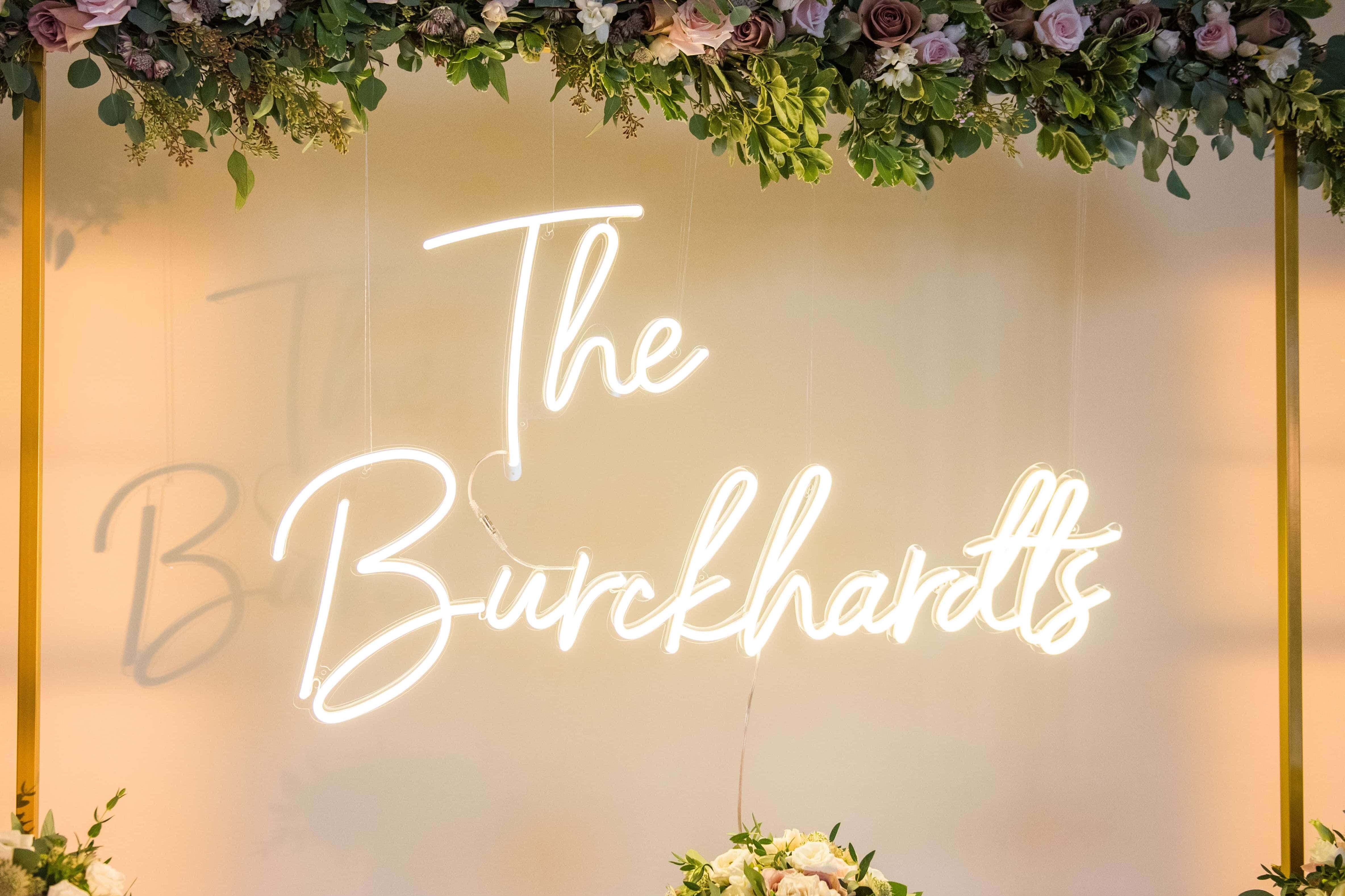
It recreates the neon look using LED flex on an acrylic backboard. LED neon is lighter, more durable, more energy efficient, and easier to ship and hang. It comes in a wider range of colors, including RGB options that change color. For most home decor, events, and everyday business signage, LED neon is the practical default.
Glass vs LED Neon: The Honest Short Version
LED neon wins on cost, lifespan, energy use, safety, and durability. Glass neon wins on authentic glow, vintage character, and craftsmanship. Because Echo Neon makes both, that read is not tilted toward whatever we happen to sell.
The one place glass clearly leads is the look. Real gas light has a softness and warmth that LED approximates but does not perfectly copy. If that vintage glow is the point, glass earns its higher price. For everything practical, lower cost, longer life, less weight, and easier handling, LED is the default.
That is the orientation. For the full side-by-side across cost, lifespan, safety, energy use, and aesthetics, see the complete guide to the types of neon signs, which lays out every factor in one place.
| Factor | Glass Neon | LED Neon |
|---|---|---|
| Upfront Cost | Higher — hand-made craft | Lower — practical default |
| Lifespan | ~10,000 hours | 50,000+ hours |
| Energy use | High-voltage transformer | Low-voltage 12V plug |
| Safety | Fragile glass, warm tubes | Cool, shatter-resistant |
| Weight | Heavier | Lighter, easier to hang |
| Color Range | Gas & coating dependent | Wide range incl. RGB |
| Authentic Glow | Real gas-discharge warmth | Very close, not identical |
| Vintage Character | Unmatched | Modern approximation |
| Outdoor Use | Indoor only | Possible with splash-proof |
| Best For | Home bars, record rooms, retro storefronts | Events, bedrooms, most business signage |
Are Neon Signs Safe and How Much Electricity Do They Use
Both glass and LED neon signs are safe for normal indoor use when handled correctly. They differ in how much care they need and how much power they draw.
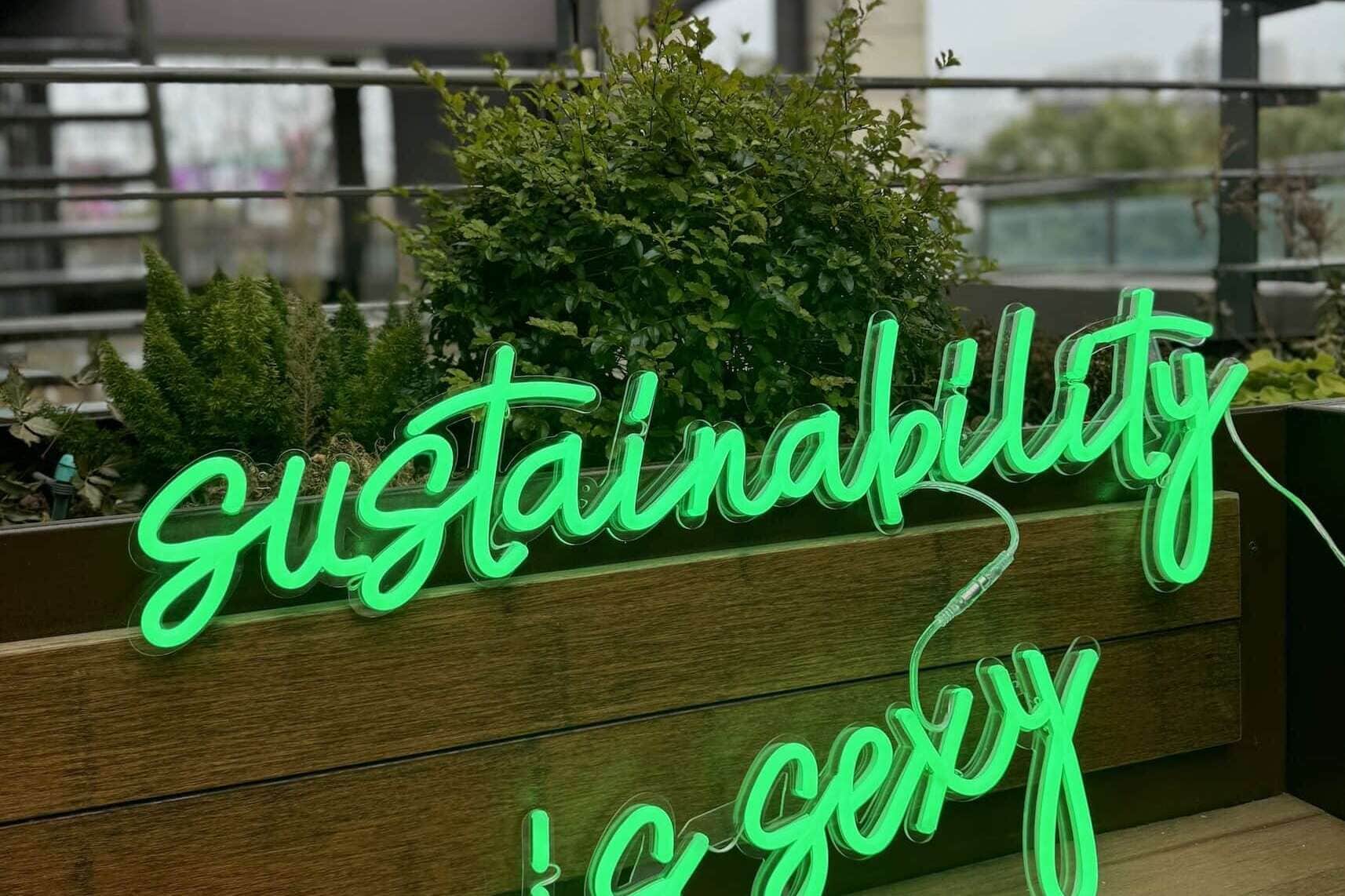
LED neon signs are the safer and cheaper option to run. They use a low-voltage 12V plug, stay cool, and sit on a shatter-resistant backboard. A typical LED neon sign draws a small amount of power, similar to a few household light bulbs, so leaving one on adds little to an electricity bill. There is no fragile glass and no exposed high voltage.
Glass neon signs run on a high-voltage transformer, and the tubes get warm during use. The glass is fragile, so placement and handling matter more. Some colors contain a trace of mercury sealed inside the tube. That is safe while the tube stays intact, but a broken glass sign needs proper cleanup and repair. For a children’s room or a busy, high-traffic space, LED neon is the more practical and worry-free choice.
Power use and safety are part of the cost picture. The other parts are how long the sign lasts and what you pay up front.
How Long Neon Signs Last and What They Cost
LED neon signs last longer and cost less than glass neon signs. Lifespan and price are the two practical numbers most buyers compare.
LED neon commonly lasts 50,000 hours or more of normal use. Run a few hours a day, that is many years of service. Glass neon runs shorter, often around 10,000 hours, and a damaged tube means a repair.
On price, neon signs cover a wide range depending on size, design complexity, color count, and whether you choose glass or LED. A small, simple LED sign sits at the low end. A large glass piece with detailed lettering sits at the high end, since glass costs several times more than the same design in LED. For a full breakdown of what drives the price and what is included, see our guide to how much neon signs cost. The fastest way to see real pricing is to design the sign you want and watch the price update as you go, or browse neon signs for sale to start from a finished design.

How Do You Choose Between Glass and LED Neon
The right neon sign comes down to where it will go and what you want it to feel like. Match the format to the setting, not the other way around.
Choose glass neon when the vintage look is the whole point: a home bar, a record room, a retro storefront, or a collector piece where the authentic glow justifies the higher cost and the extra care. Choose LED neon for almost everything else, including home decor, kids’ rooms, weddings and events, photo backdrops, and most business signage, where lower cost, durability, and easy handling matter more than gas-light authenticity.
If you are buying for a specific occasion or space, it helps to start from the use case rather than the technology. The sections below cover custom design and how Echo Neon groups signs by where they go.
Designing a Custom Neon Sign
A custom neon sign turns your text, font, color, and size into a finished piece in either glass or LED. The design process is the same simple path for both formats.
Start with your words or your logo. Pick a font and a color from the available range. Set the size for your wall or space. The custom builder shows your design and updates the price as you make changes, so there are no surprises. From there, your sign goes into production and ships to you.
For a walkthrough of fonts, colors, sizes, and turning a logo into neon, see our guide to custom neon sign design. When you are ready, design a custom glass neon sign for the authentic vintage look, or build your own LED neon sign for the lighter, lower-cost option. Both support a range of colors, and LED adds RGB color-changing options. A dimmer is available and can be added at the order stage if you want control over brightness.

Neon Signs by Use Case
Neon signs fit almost any space or occasion, and the best design choices shift with the setting. For inspiration organized by color, theme, and occasion, see our neon sign ideas guide. To shop by where a sign will go, browsing by use case is the quickest way to find options that already fit.
Common use cases include weddings and events, home decor and bedrooms, home bars and man caves, restaurants and cafes, salons, offices, and storefronts. A wedding sign leans warm and personal. A storefront sign leans bold and readable from the street. A bedroom sign leans soft and atmospheric. Each setting has its own sweet spot for size, color, and format.
Explore the full set of neon signs grouped by occasion and space to see options built for your situation, or look through the best-selling neon signs for designs other customers reach for most.
Choosing Your Neon Sign
Neon signs come down to two formats with an honest trade-off. Glass neon gives you authentic gas-light glow and hand-made craft at a higher price. LED neon gives you lower cost, longer life, easier handling, and more color options. Echo Neon makes both, so the guidance here is not pushed by what we happen to sell.
Pick the format that fits your space, then make it yours. Design a custom sign in glass or LED, see our work in both formats, or browse neon signs by occasion and space to start from a design that already fits. Either way, you end up with a sign built to last.