
Custom Neon Sign Design: Fonts, Colors, Sizes, and Logos
Designing a custom neon sign means turning your own text or logo into a finished sign by choosing the font, color, size, backboard, and mounting. The same choices apply whether you order glass or LED neon, and this guide walks through each one.
Echo Neon makes both formats, so the guidance here covers the differences without pushing one. For the wider picture of neon signs and how they work, see our main guide. When you are ready, you can start your design in the builder at any point and watch the price update as you go.
How to Design a Custom Neon Sign
You can design a custom neon sign in a few steps. Each one happens in the online builder, which shows your design and the price as you go.
- Enter your text or upload a logo. Type the words you want, or upload a logo or image to turn into neon.
- Choose a font. Pick a style that matches the tone, from clean block letters to flowing script.
- Pick a color. Choose the lit color, and on LED, the tube color you see when the sign is off.
- Set the size. Match the width to your wall or space.
- Choose the backboard and mounting. Choose from standard clear acrylic, or colored acrylic for a unique style.
- Preview the price and order. The builder shows the live price as you change the design. When it looks right, place the order.
After you order, your sign goes into production and ships to you ready to hang. The sections below go deeper on each choice.
Choosing Your Font
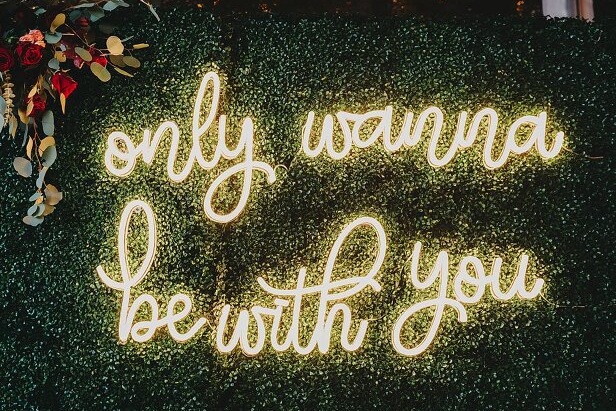
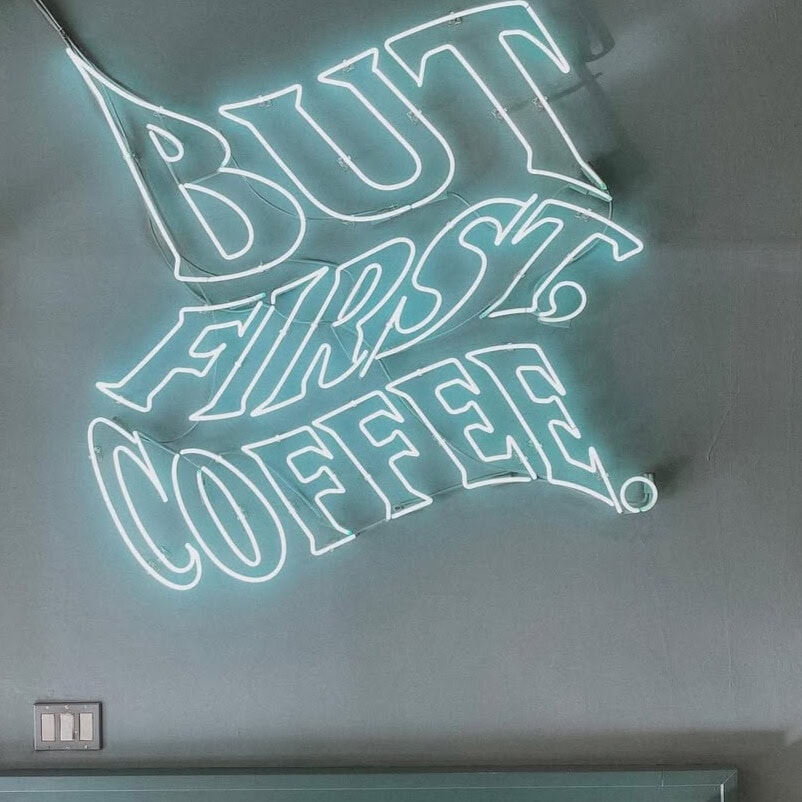
The font sets the tone of a neon sign more than any other single choice. Script and handwritten fonts feel warm and personal, which suits bedrooms, weddings, and salons. Bold block fonts read clearly from a distance, which suits storefronts, bars, and gyms. Keep the text short. A few words in a strong font reads better than a long line in a small one.
Most custom signs offer a range of built-in fonts, and many shops can match a specific font or style on request. For the full rundown of styles and how to pick one, see our guide to neon sign fonts.
Choosing Your Color
Color sets the mood. Warm colors like pink and gold feel soft and inviting. Cool colors like blue and white feel clean and modern. Pick a color that fits the room or your brand, and keep in mind that a neon sign looks brightest in a dimmer space.
Color also works a little differently in each format. Glass neon gets its color from the gas inside the tube and from colored coatings, so the palette is more fixed. LED neon offers a wider range, including color-changing options. Because Echo Neon makes both, we can tell you honestly which colors hold up best in each. For the complete palette and how to choose, see our guide to neon sign colors, and to compare the two formats, see the types of neon signs.
Getting the Size Right
Size decides whether a sign reads as a subtle accent or a bold centerpiece. The right size depends on the space and how far away people will see it. As a rough guide:
- Bedrooms and small accents: around 20 to 40 inches wide.
- Living rooms and feature walls: around 30 to 80 inches.
- Shops, offices, and events: around 40 inches and up, so the sign reads from across the room or the street.
Measure your wall before you decide, and leave a little room around the sign so it has space to breathe. For a full breakdown by room and use, see our guide to what size neon sign you need.
Turning a Logo Into Neon
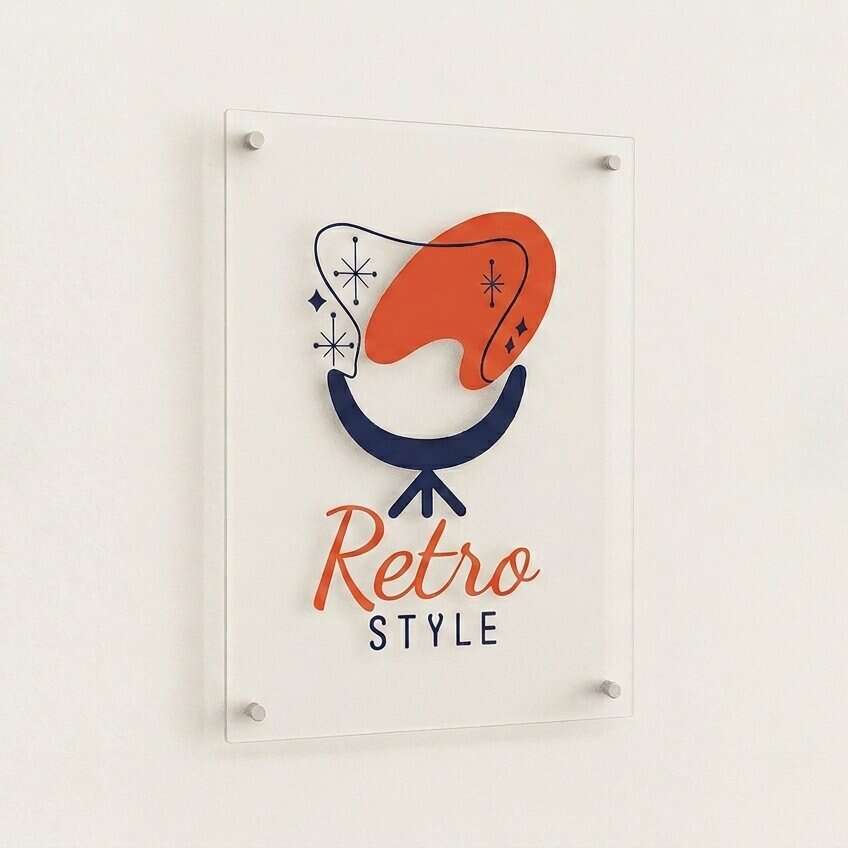
A logo can become a neon sign, but not every logo translates directly. Neon is essentially a continuous lit line, so logos with clean, bold shapes and simple lettering convert best. Fine detail, small text, gradients, and photographic elements do not light up well and usually get simplified.
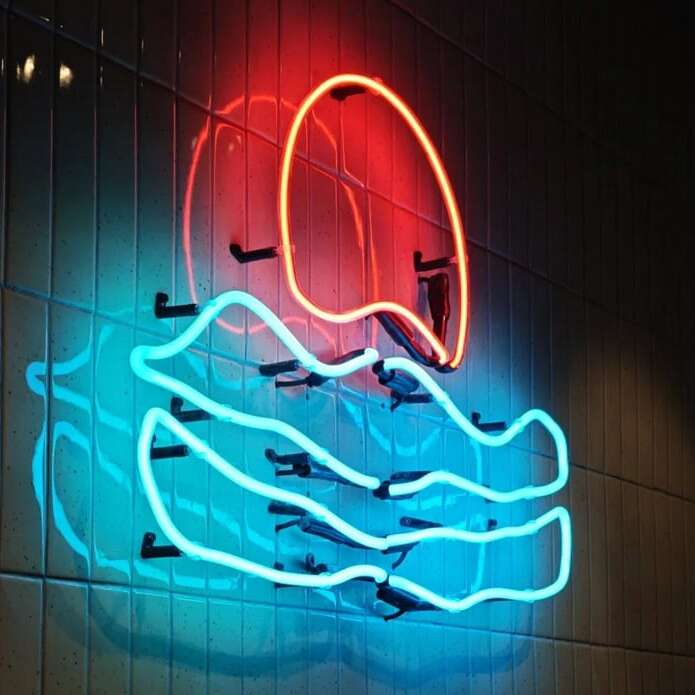
When you send a logo, it is redrawn as neon flex or glass tube on a cut acrylic backboard. Solid shapes become outlines or filled panels, and thin lines are thickened to a workable tube size. The result keeps the recognizable form of your brand while working as a lit sign. For what converts well and how to prepare a logo, see our guide to custom logo neon signs.
Color-Changing and RGB Options
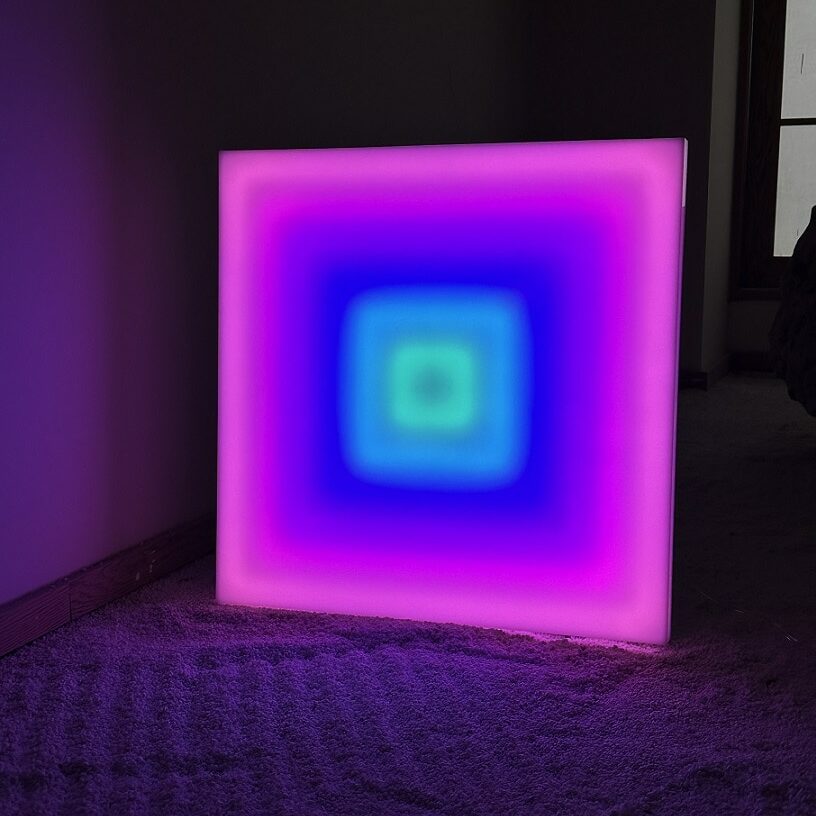
Most neon signs are a single fixed color, which gives the cleanest, most classic look. If you want flexibility, an RGB sign can switch between colors with a remote, so one sign can shift to match the mood or the season.
RGB is an LED feature; glass neon is single-color by nature. RGB suits spaces where you like to change the look, such as a games room, a bar, or a kid’s room. For how color-changing works and when it is worth it, see our guide to RGB and color-changing neon signs.
Backboard, Mounting, and Brightness
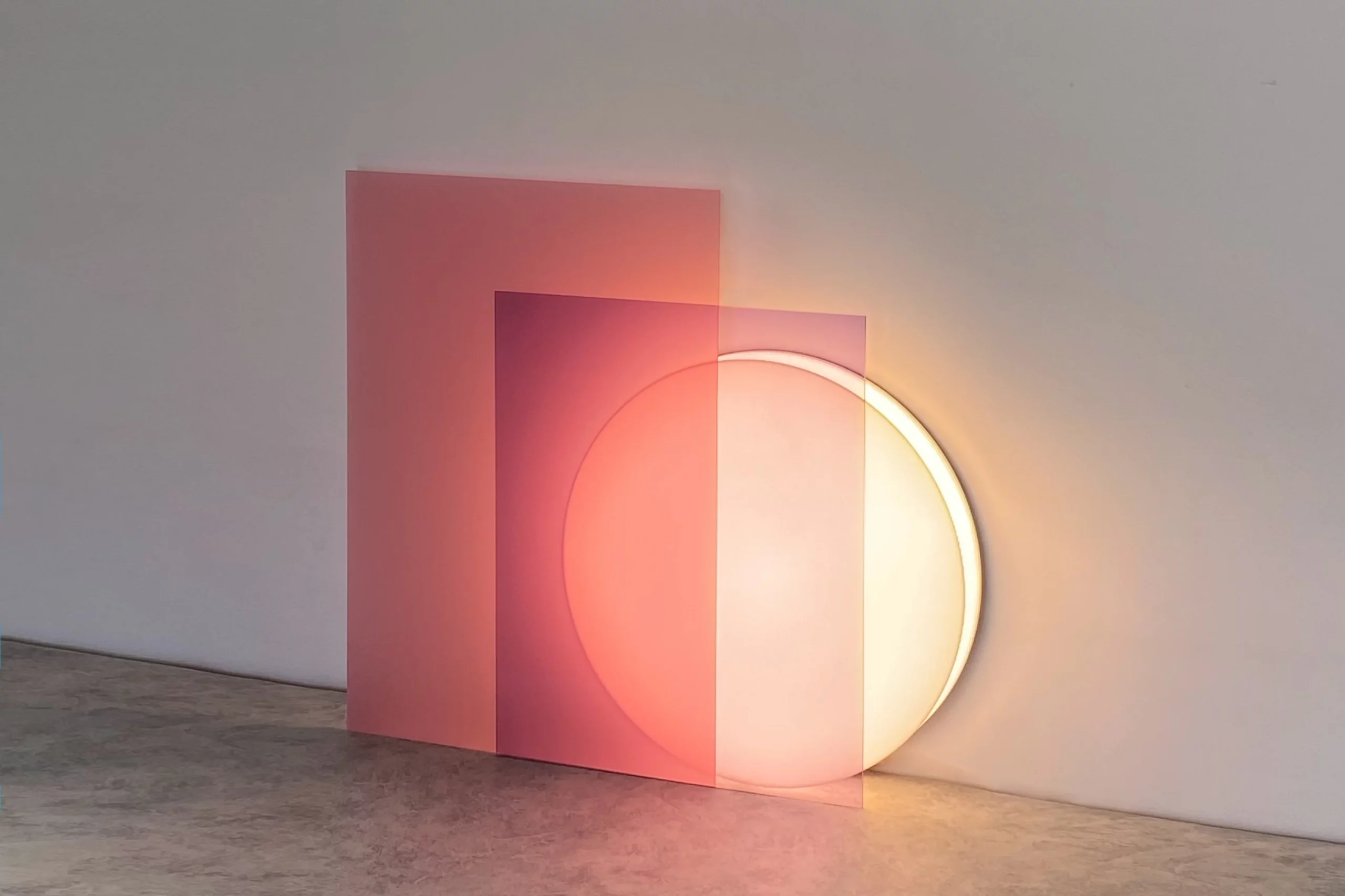
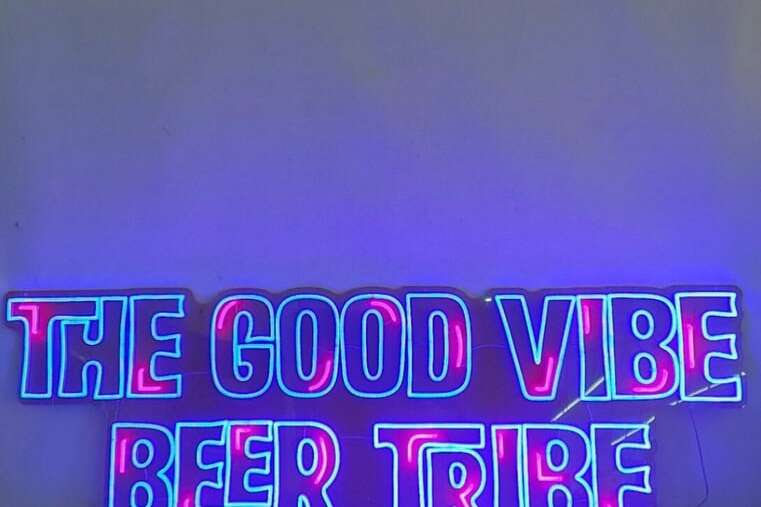
A few finishing choices shape the final look. The backboard is the clear acrylic panel behind the sign. You can have it cut to the shape of your design for a floating look, or left as a clear rectangle. Both are transparent acrylic, so the focus stays on the light.
From simple clear acrylic to bold colored or eye-catching mirror acrylic, choose the backboard that best suits your style.
Signs come pre-drilled for wall mounting, and many can hang from a frame or stand instead. For brightness, a dimmer is available and added at the order stage, so you can turn the sign down to suit the room. Echo Neon signs run on a standard 12V plug, so installation is as simple as hanging the sign and plugging it in.
Start Designing Your Custom Sign
Once you know the look you want, the fastest way to see it is to build it. The online builder lets you enter your text or logo, try fonts and colors, set the size, and watch the price update in real time.
Build a custom LED neon sign for the lighter, lower-cost option, or design a custom glass neon sign for the authentic vintage glow. If you are designing for a specific space or event, browse neon signs by use case for ideas that already fit, or see our custom work in the gallery.
Frequently Asked Questions
You design a custom neon sign in the online builder by entering your text or uploading a logo, then choosing a font, color, and size, plus a backboard and mounting style. The builder shows your design and the price as you go.
Yes. Logos with clean, bold shapes and simple lettering convert best. Fine detail and gradients get simplified, because neon works as a continuous lit line. You can upload your logo in the builder or send it over.
Most custom signs offer a range of built-in fonts and a wide set of colors, and many requests for a specific font can be matched. LED offers more colors than glass, including color-changing RGB.
It depends on the space. Bedrooms and accents suit roughly 20 to 40 inches, living rooms 30 to 80 inches, and business or event signs 40 inches and up. Measure your wall first.
Yes, with RGB. An RGB LED sign switches between colors using a remote. Glass neon is single-color by nature.
Yes. Both glass and LED can be made custom in your text, font, color, and size. Glass gives an authentic vintage glow at a higher price; LED is lighter and lower cost.
The price depends on size, design complexity, color, and whether you choose glass or LED. The builder shows the exact price as you design. For a full breakdown, see how much neon signs cost.
Bringing Your Design Together
Designing a custom neon sign comes down to a handful of choices: your text or logo, then the font, color, size, and finish, in glass or LED. Take them one at a time, measure your space, and keep the text short and the shapes clean.
When you are ready, start in the builder and watch your design and price come together. For more inspiration, see our neon sign ideas, or head back to the main neon signs guide to explore the rest.