



Types of Neon Signs: LED, Glass, and Everything In Between
Neon signs come in two main types: traditional glass neon and LED neon. Glass neon uses hand-bent glass tubes filled with neon or another noble gas. LED neon uses LED modules inside flexible silicone tubing on an acrylic backboard. Beyond that split, neon signs also vary by where they go (indoor or outdoor), how they handle color (a single fixed color or RGB color-changing), and their finish.
This page is the map of all of it: the two main types, how they compare on what actually matters, the other ways neon signs differ, and how to pick the right one. For the bigger picture of what neon signs are and how they work, start with our main neon signs guide. Echo Neon makes both glass and LED, so the comparisons here are not tilted toward one format.

The Two Main Types: Glass Neon and LED Neon
Almost every neon sign is one of two types. The difference is the light source inside the tube.

Glass Neon Signs
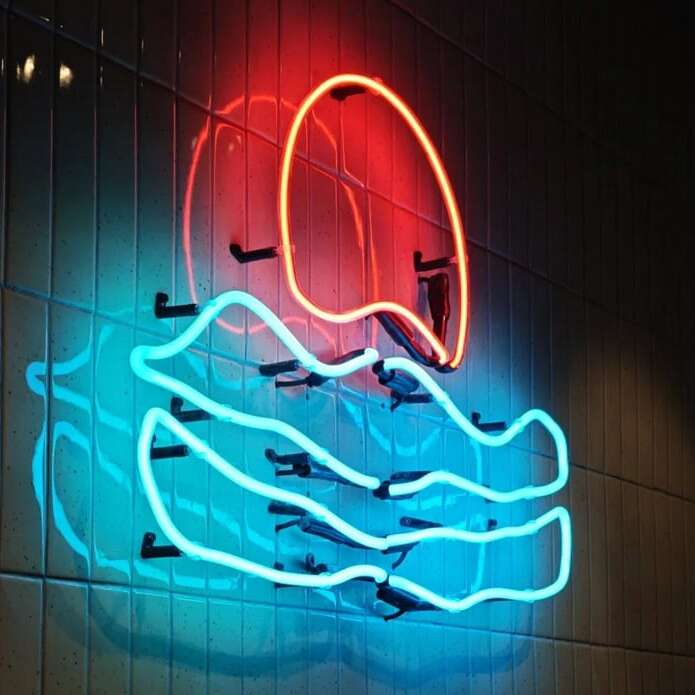
Glass neon is the original. A skilled artisan heats and bends glass tubing by hand, fills it with neon or another noble gas, and seals it. An electric current makes the gas glow: pure neon gives the classic reddish-orange, and other gases and coatings produce other colors. Glass neon has a warmth and depth that come from real gas-discharge light, and a vintage character people associate with classic diners and storefronts. It costs more and needs more care, because every piece is shaped by hand. Read more about glass neon signs and where they shine.
LED Neon Signs
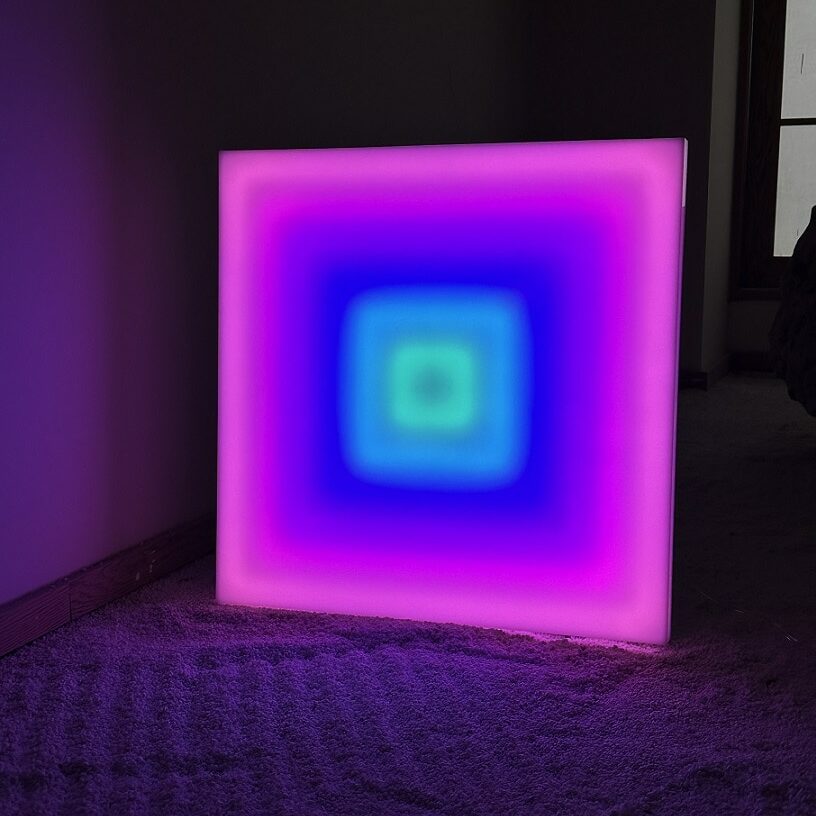
LED neon is the modern version. It recreates the neon look with LED modules inside a flexible silicone tube, mounted on a cut acrylic backboard, running on low-voltage 12V power. It contains no gas. LED neon is lighter, more durable, more energy efficient, and easier to ship and hang, and it comes in a wider range of colors. For most home decor, events, and everyday business signage, it is the practical default. Read more about LED neon signs and how they are built.

How the Two Types Compare
Here is how glass and LED neon compare on the factors that usually decide a purchase. Echo Neon makes both, so this is a straight read, not a pitch for one side.
| Factor | Glass Neon | LED Neon |
|---|---|---|
| Light source | Neon or noble gas in a hand-bent glass tube | LED modules in flexible silicone tubing |
| Look | Warm, authentic vintage glow | Bright, even, modern |
| Cost | Higher, several times LED | Lower |
| Lifespan | Around 10,000 hours | 50,000 hours or more |
| Energy use | High voltage, less efficient | Low voltage 12V, more efficient |
| Safety | Warm, fragile glass, trace mercury in some colors | Cool, shatter-resistant |
| Weight | Heavier | Lightweight |
| Colors | More limited | Wide range, RGB available |
| Outdoor Use | Indoor only | LED with splash-proof treatment, under cover |
A few rows deserve a note.
Cost: glass runs several times the price of the same design in LED, because it takes more material and more skilled labor. For a full breakdown of what drives the price and what is included, see how much neon signs cost.
Energy and safety: LED neon draws far less power and stays cool on low voltage, which makes it the easier choice for homes and busy spaces. If running cost matters, see how much electricity neon signs use. Glass earns its place when the authentic look is the point.
This table covers the facts. For help deciding which one fits your specific situation, see our full guide to choosing LED vs glass neon.
Other Ways Neon Signs Differ
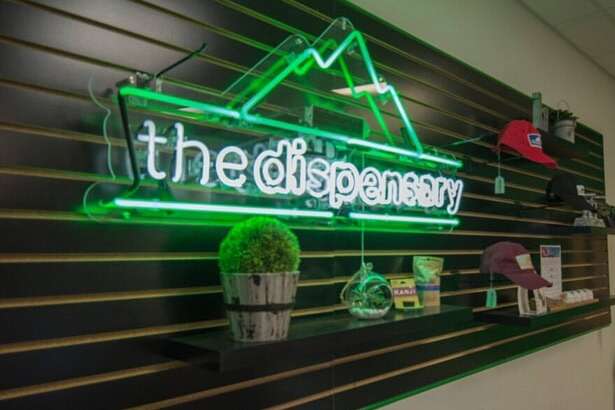
The glass-versus-LED split is the big one, but neon signs vary in a few other ways worth knowing before you buy.


Which Type Is Right for You
The right type comes down to what you want from the sign and where it goes. Choose glass neon when the authentic vintage glow is the whole point and you want a handmade piece. Choose LED neon for almost everything else, where lower cost, durability, safety, and easy handling matter more.
If you are buying for a particular setting, it often helps to start from the use case rather than the technology. Browse neon signs by use case to see what works for a wedding, a storefront, a bedroom, or a bar, and pick the format from there.
Designing a Custom Sign in Either Type
You can have either type made as a custom sign in your own text, font, color, and size. The design path is the same for both.
Start in the builder, pick your words or upload a logo, choose a font and color, and set the size. The builder shows your design and updates the price as you go. For a full walkthrough of fonts, colors, sizes, and logos, see our guide to custom neon sign design. When you are ready, design a custom glass neon sign for the vintage look, or build a custom LED neon sign for the lighter, lower-cost option.

Frequently Asked Questions
The two main types are traditional glass neon and LED neon. Glass neon uses gas inside hand-bent glass tubes. LED neon uses LED modules inside flexible silicone tubing. Signs also vary by indoor or outdoor use and by single-color or color-changing.
Glass neon makes light by energizing gas in a glass tube and has an authentic vintage glow. LED neon makes light with LEDs in a flexible tube and is cheaper, longer lasting, and safer. Glass costs more; LED is more practical for most uses.
LED neon flex is the flexible silicone or PVC tube that holds the LED modules in an LED neon sign. It diffuses the light into an even line and bends into letters and shapes, which gives LED neon the look of a lit glass tube.
Those are the two main technologies. Within them, signs vary by environment, color behavior, and finish. There are also printed or faux neon-style signs, but those are not true neon and do not light up the same way.
Neither is best in every case. Glass wins on authentic glow and craftsmanship. LED wins on cost, lifespan, energy use, safety, and durability. The right choice depends on the look you want and where the sign goes.
LED neon signs can be used outdoors with splash-proof treatment and cover from direct rain. Glass neon is made for indoor use.
LED neon lasts longer, commonly tens of thousands of hours, and is safer because it runs cool on low voltage and will not shatter. Glass neon runs shorter and needs more care. See neon sign safety for the full comparison.
Choosing the Right Type of Neon Sign
Neon signs come down to two main types with a clear trade-off, plus a few variations in environment, color, and finish. Glass neon gives you authentic, handmade gas-light glow at a higher price. LED neon gives you lower cost, longer life, and easier handling. Echo Neon makes both, so you can choose on the merits.
Once you know the type you want, design a custom sign or browse ready-made. For the wider picture of neon signs and where to go next, head back to our main guide.