


How to Clean and Maintain a Neon Sign
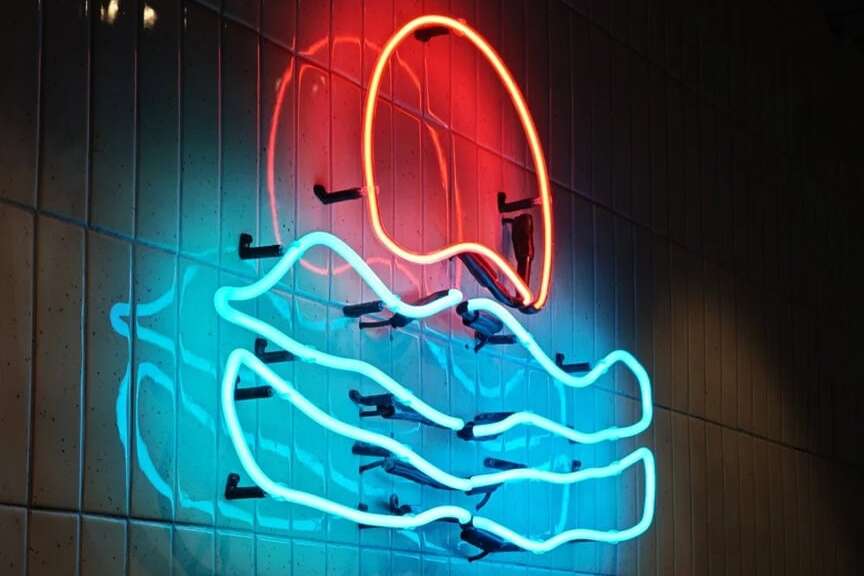
Neon sign maintenance is the routine care that keeps a sign bright and working: gentle regular cleaning, keeping the power components dust-free and dry, and catching small problems early. Most of the work is a light dusting and the occasional wipe with a barely damp cloth, always with the sign unplugged. Do that, and both LED and glass signs hold their glow for years. This page is part of our series on how neon signs are made, and it covers how often to clean, what to use and what to avoid, a step-by-step clean, the difference between caring for glass and LED, power and cord care, habits that extend a sign’s life, troubleshooting, when to call a professional, and how to store or move a sign.

How Often to Clean a Neon Sign
How often you clean a neon sign depends on where it lives. In a home, away from heavy dust, a light dusting every couple of weeks and a deeper clean once a month keeps it bright. In busier spots, a bar, a salon, a kitchen, or a street-facing window, clean it weekly, because grease, smoke, and airborne dust settle faster and dull the glow sooner. A quick check on a set schedule is easier than a heavy clean later, and dust is the most common reason a sign looks dimmer than it did when it was new. Before any clean, the first move is always the same: unplug the sign.
What You Need, and What to Avoid
A neon sign needs only a few soft, dry tools and one gentle cleaning solution. Gather the following before you start:
- A microfiber cloth, for wiping the tubes and backboard
- A soft-bristle brush or a feather duster, for lifting loose dust
- A can of compressed air, optional, for tight spots
- Mild dish soap and distilled water, for the occasional damp wipe
What you leave in the cupboard matters as much as what you use. Do not use ammonia-based glass cleaner on a neon sign. The backboard is acrylic, a clear thermoplastic, and ammonia and alcohol can cloud or craze acrylic over time, leaving a permanent haze that no amount of polishing removes. Skip bleach, solvents, and abrasive pads for the same reason, and never soak the sign or spray liquid near the power connection. For anything beyond dust, a barely damp cloth with a drop of mild dish soap, or just plain water, is all a neon sign needs.
How to Clean a Neon Sign, Step by Step
Cleaning a neon sign takes five steps and about fifteen minutes. Follow them in order for a safe, streak-free result.
- Turn the sign off and unplug it. If it is a glass sign, let it cool for two to three hours before you touch it.
- Dust first. Use a soft brush or feather duster to lift loose dust from both sides of the tubes and the backboard, including the section behind the front plate where the wiring sits.
- Wipe gently. Dampen a microfiber cloth with plain water, or a drop of mild dish soap in distilled water, wring it almost dry, and wipe the tubes and backboard while supporting each tube with your free hand.
- Dry fully. Go over the sign with a dry cloth and let any remaining moisture air dry completely. Moisture and power do not mix, so this step is not optional.
- Plug it back in and check that the sign lights evenly.
A light touch is the whole game. Press gently, let the cloth do the work, and repeat a stubborn spot rather than scrubbing it.
Cleaning Glass Neon vs LED Neon
Glass and LED neon signs are cleaned the same basic way, with two differences worth knowing. A glass sign is fragile and runs hot, so it needs the full cool-down of two to three hours and the lightest possible touch, with no pressure on the tubes, which can crack under a firm hand. Its glass is hand-bent and sealed, so treat it like the delicate object it is. An LED sign is built on flexible silicone tubing over an acrylic backboard, so it is more forgiving: the silicone tolerates gentle support pressure and cleans faster, and there is no hot glass to wait on. For a fuller look at how the two formats are built, see our guides on LED neon signs and glass neon signs. Whichever you own, the cleaning agents stay the same: soft, dry tools first, then a barely damp cloth, and never ammonia on the acrylic.
Caring for the Power and the Cord
The power components need as much care as the tubes, and they need it dry. A glass sign runs through a transformer, and an LED sign runs on a 12V adapter. Both collect dust, and neither should ever be cleaned with liquid. Wipe them with a dry cloth or clear the dust with a puff of compressed air, and give the adapter or transformer room to sit in open air so it does not overheat. The cord deserves the same attention you gave it at install. Leave a little slack where the cable meets the sign, so the weight of the cord or a passing knock pulls on the slack and not on the connector, which can work the joint loose over time. Route the cable along an edge and clip it in place rather than letting it hang. If you are setting a sign up for the first time, our guide on how to install a neon sign covers mounting and cord management in full.
Habits That Extend a Neon Sign’s Life
A few simple habits add years to a neon sign. Keep it out of direct heat and direct sunlight, since sun slowly yellows the acrylic and heat stresses the electronics. Keep it clear of grease and water, give it a small gap for airflow behind the backboard, and favor steady use over flicking it on and off all day, because frequent cycling and blink modes put more strain on the power supply than a steady glow. Cared for this way, a glass neon sign commonly lasts eight to fifteen years, and an LED sign is rated for tens of thousands of hours. The two formats age differently, and if you are weighing their long-term durability, our comparison of LED vs glass neon signs lays out the trade-offs. A sign kept outdoors needs a little more: shelter from standing water and a weatherproof outlet, which our guide on indoor vs outdoor neon signs covers in detail. Good habits are cheaper than repairs, and most of them cost nothing.
Troubleshooting Common Problems
When a neon sign misbehaves, the symptom usually points to the cause. Here is what the common ones mean:
- Flickering or dimming. On a glass sign, this often points to the transformer or a loose connection. On an LED sign, it usually points to the driver or a connector. A dusty sign can also look dim, so clean it first and rule that out.
- Buzzing or humming. A buzz on a glass sign generally comes from the transformer as it ages. Switch the sign off and have it looked at rather than living with it.
- A section that will not light. On glass, a dark segment can mean a cracked tube or a gas leak. On LED, it points to a failed segment or connection.
- Nothing at all. Check the obvious first: the outlet, the switch, and every connection along the cord.
Start with the easy checks, a different outlet, a firm connection, a good dusting, before you assume the worst. Many a dead sign is just a loose plug.
When to Clean It Yourself and When to Call a Pro
You can handle cleaning, dusting, connection checks, and swapping the outlet yourself. What you should not do is open the power supply or try to rewire a sign. A glass sign carries high voltage through its transformer, and its tubes are sealed gas under pressure, so a cracked tube, a failing transformer, or any internal wiring fault is a job for a professional. Do not open the transformer, and if a cord looks damaged or anything smells hot, unplug the sign and stop. For more on handling neon safely, see our notes on neon sign safety. When a repair is beyond a clean and a connection check, contact the maker rather than improvising.
Storing or Moving a Neon Sign
Store or move a neon sign the way you would any fragile, electrical object. Unplug it gently, without yanking the cord, and coil the cable loosely rather than kinking it. Wrap the sign in a soft cloth or bubble wrap, keep it in a dry place out of direct sunlight, and stand it where it cannot be knocked. If you are shipping it or moving house, box it with padding on all sides and label the package fragile. A sign that travels well arrives ready to hang and light.
Keep It Glowing
Most Echo Neon signs are low-maintenance by design, so a little routine care is all they ask. If you have not chosen your sign yet, you can design a custom neon sign in any font, color, and size and have it built to order.
Frequently Asked Questions
No. Ammonia-based glass cleaners can cloud or craze the acrylic backboard, and the damage is permanent. Use a barely damp microfiber cloth with a drop of mild dish soap and distilled water, or just plain water. Dust with a soft brush first so you rarely need liquid at all.
Dust lightly every couple of weeks and deep clean about once a month at home. In bars, salons, kitchens, and street-facing windows, clean weekly, since grease and dust build up faster and dim the glow.
A glass neon sign commonly lasts eight to fifteen years with proper care, and an LED sign is rated for tens of thousands of hours. Gentle cleaning, dry power components, and steady use all help a sign reach the top of that range.
On a glass sign, flickering or dimming often points to the transformer or a loose connection. On an LED sign, it usually points to the driver or a connector. Dust can also dim the glow, so clean the sign and check the connections before assuming a fault.
A buzz or hum on a glass sign usually comes from the transformer as it ages. Switch the sign off and have it checked by the maker or a professional rather than opening the power supply yourself.
Steady use is gentler than flicking a sign on and off all day, since frequent cycling and blink modes stress the power supply. A timer set for the hours you want the sign lit is a good middle ground.
Often yes. A clean, a connection check, or a power-supply service fixes many problems. Cracked glass tubes and internal wiring need a professional, and at that point a repair or replacement quote from the maker is the right next step.
The Short Version
Neon sign maintenance comes down to three habits: clean gently and regularly, keep the power parts dust-free and dry, and catch small problems early. Unplug first, dust before you wipe, keep ammonia away from the acrylic, and leave the transformer and adapter dry. Do that, and your sign stays as bright as the day it arrived. For more on how these signs are built, both LED and glass, see our full guide on how neon signs are made.