How LED Neon Signs Are Made: The Modern Build
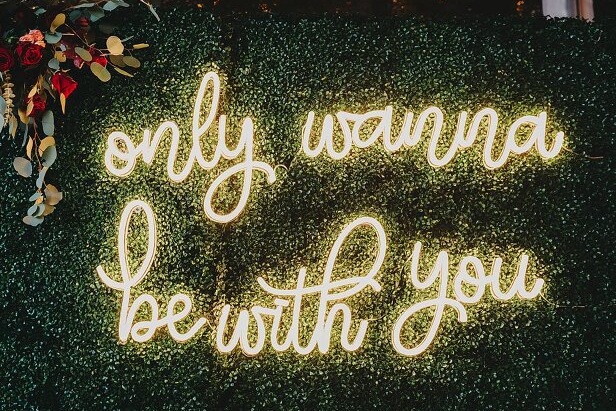
An LED neon sign is made by shaping flexible LED tubing, called LED flex, to follow a design, mounting it on a cut acrylic backboard, and wiring it to a low-voltage 12V adapter. There is no gas and no glass-bending. It is assembled by hand, but the work is faster and more repeatable than the glass craft.
At Echo Neon we make both LED and glass, so we can show you honestly how an LED sign comes together and, just as useful, how to tell a well-made one from a cheap one. For the shorter overview and the glass side of the story, see how neon signs are made. Here is the modern build, start to finish.

What an LED Neon Sign Is Made Of
An LED neon sign has only a few parts, and knowing them makes the rest clear.
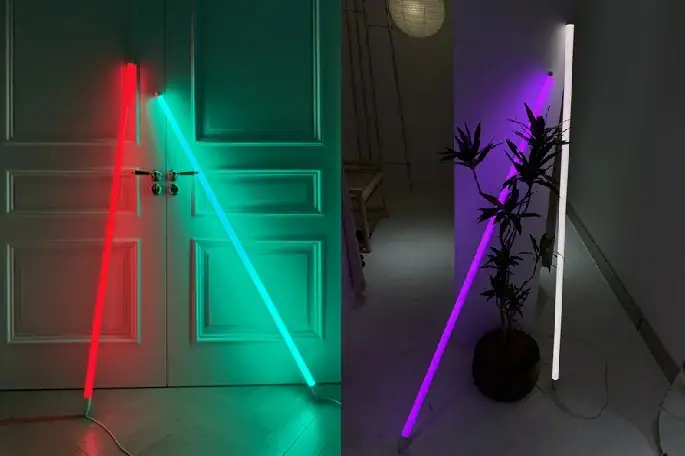
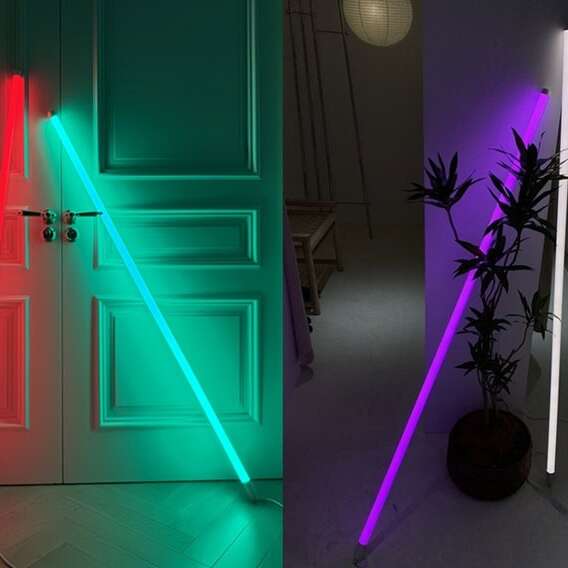
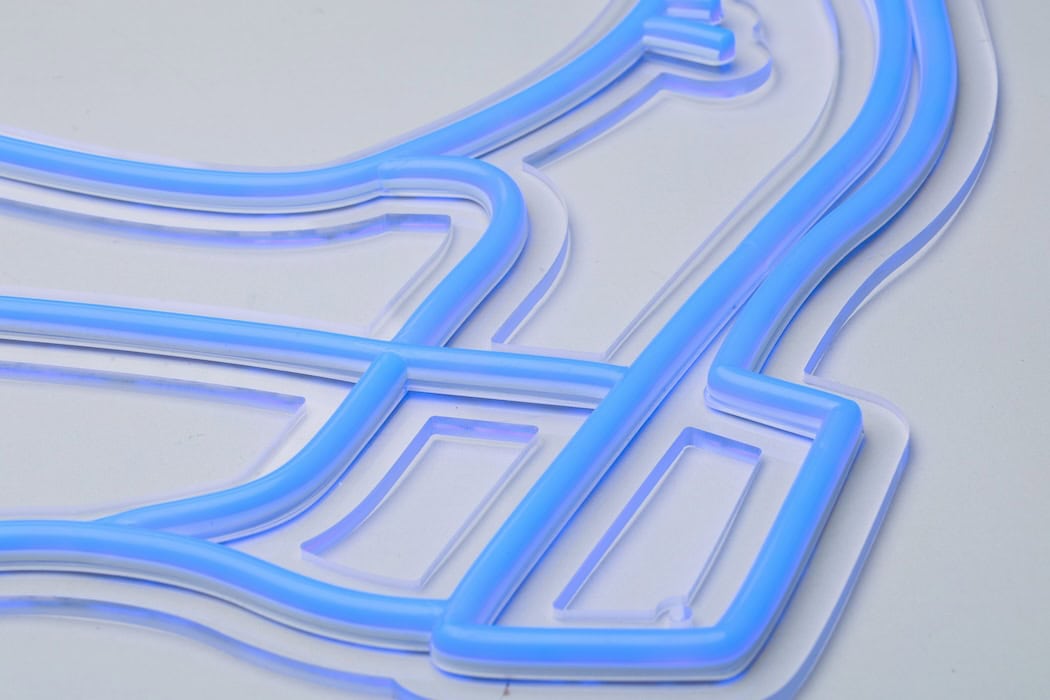
- LED flex is the glowing tube. It is an LED strip sealed inside a flexible silicone tube, and the silicone diffuses the light into an even line so you do not see the individual LEDs. This is what gives LED neon its neon-like glow.
- The acrylic backboard holds the shape. It is cut to the design or left as a clear rectangle, so the sign appears to float on the wall.
- The 12V adapter powers it. LED neon runs on low voltage, so it plugs into a standard outlet through a small adapter, with no transformer.
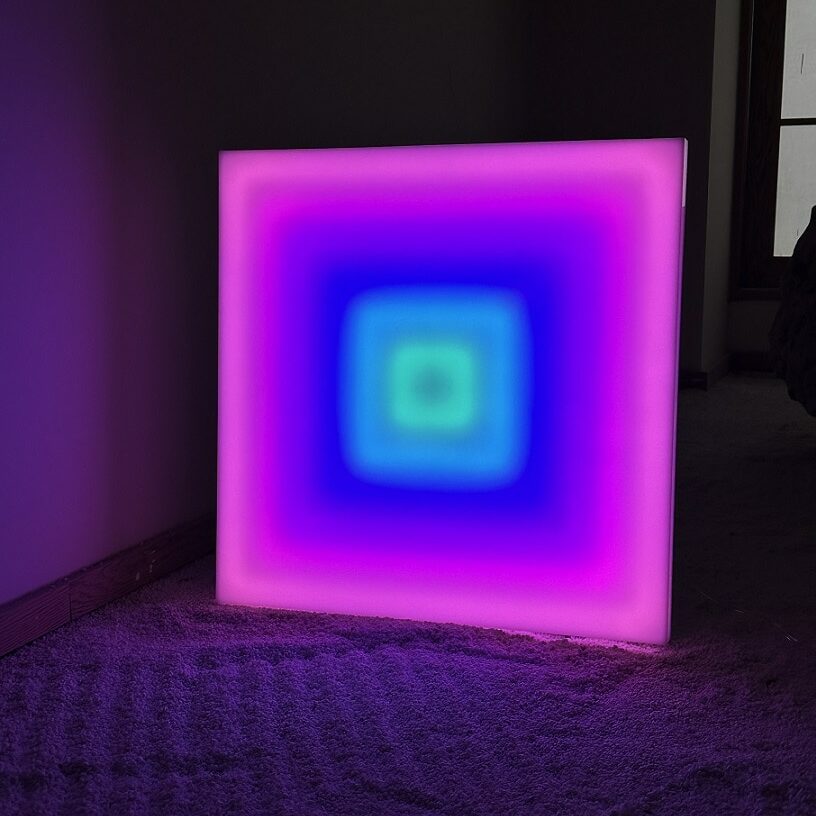
- A controller is added for color or dimming. If the sign changes color or dims, a controller and remote handle it.
There is no gas and no glass. For more on what LED neon is and how it looks, see LED neon signs, and for color-changing options, see RGB and color-changing neon signs.
How an LED Neon Sign Is Built
With the parts in hand, the build runs in a clear order:
- Start with the design. Your text or logo is set as a digital pattern and sized to scale, the guide everything else follows.
- Cut the backboard. The acrylic is laser-cut to the shape of the design, or left as a clear rectangle, and small holes are drilled where the wiring will pass through to the back.
- Cut the LED flex. The flex is cut to length, only at its marked cut points, since cutting between them kills that section.
- Shape the flex. Each length is bent by hand to follow the design, keeping to the gentle curves the flex is made for rather than sharp corners.
- Solder and route the wiring. Where sections meet or a new run begins, wires are soldered to the flex and threaded through the drilled holes to the back, with the joints covered in heat-shrink so nothing can short.
- Mount the flex. It is fixed to the backboard with clear adhesive or clips, worked in small sections to keep it aligned with the design.
- Wire the power. The sign is wired to the 12V adapter, with a controller added if it is color-changing or dimmable.
- Test and pack. The finished sign is lit and checked for an even glow and the right color, then packed with mounting hardware, ready to hang.
For how a finished sign goes up on your wall, see how to install a neon sign.
What Makes a Well-Made LED Sign
Two LED signs can look the same in a photo and be very different in the hand. A few things separate a quality sign from a cheap one:
- Quality silicone, not PVC. Good flex uses silicone, which stays flexible, resists heat and sun, and does not yellow. Cheap PVC can crack in the cold and discolor over time.
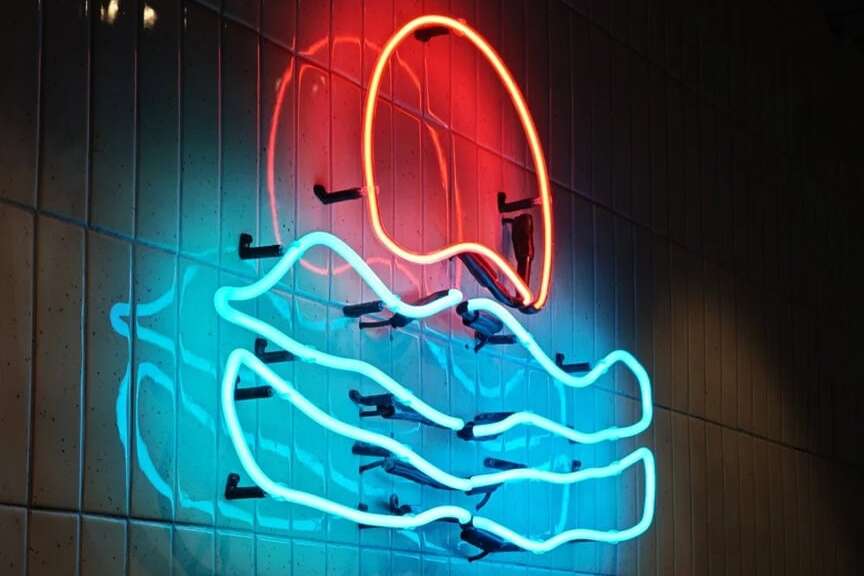
- An even glow with no visible dots. Well-made flex with the right LED spacing gives a smooth, continuous line. On a cheap sign you can often see the individual LEDs as bright spots.
- Clean, sealed connections. Soldered joints covered in heat-shrink last and stay safe. Loose or taped connections are a sign of corner-cutting.
- A good power supply. A quality 12V driver holds steady voltage, so the sign does not flicker or buzz.
- Neat wiring and a clean cut. The wiring should route behind a cleanly cut board, not trail across the front.
At Echo we build to these standards, in both LED and glass. You can see our work to judge it for yourself.
How It Differs From Glass
The LED build is much faster than the glass craft, and that is the main practical difference. There is no gas to fill, no high-voltage bombarding to clean the tube, and no aging to settle the glow. The flex is shaped cold, by hand, and mounted, which also makes it more repeatable, so two copies of the same sign come out alike.
The result is lighter, shatterproof, and runs on low voltage. It is the modern counterpart to the older craft. To see how glass is made by hand, tube by tube, see how glass neon signs are made.
Have an LED Neon Sign Made, or Make One Yourself
If you want an LED sign built to these standards, you can design a custom LED neon sign in your own text, color, and size, and we will make it. If you would rather build your own, we have a full DIY LED neon sign guide that walks through the materials, tools, and steps.
Frequently Asked Questions
LED flex, an LED strip inside a flexible silicone tube, is cut and shaped to the design, mounted on a laser-cut acrylic backboard, soldered and wired to a 12V adapter, then tested and packed. There is no gas and no glass-bending.
An LED strip inside a flexible silicone tube, called LED flex, mounted on an acrylic backboard and powered by a 12V adapter. The silicone diffuses the light into an even glow.
Yes. The flex is shaped and mounted by hand, and the connections are soldered by hand. The process is faster and more repeatable than glass, but it is still hands-on work.
Look for an even glow with no visible dots, quality silicone rather than PVC, clean soldered connections sealed with heat-shrink, a steady power supply that does not flicker, and neat wiring hidden behind a cleanly cut board.
Much less than glass. A simple LED sign is a couple of hours of assembly, since there is no gas filling or aging. Custom orders still need lead time for design and production.
Yes. LED neon is beginner-friendly compared to glass. Our DIY LED neon sign guide covers the materials, tools, and steps if you want to build your own.
The build is faster and more repeatable, the materials cost less, and there is no gas, bombarding, or aging. See how much neon signs cost for the full picture.
A Modern Build, Done Well
An LED neon sign is a modern, hand-assembled build: flexible LED flex shaped on a cut acrylic backboard and wired to run on low voltage. There is no gas and no glass-bending, which makes it faster, lighter, and cheaper to make than glass. The difference between a good one and a cheap one comes down to quality materials and clean work, and that is what we build to at Echo.
For the shorter overview and the glass side of the story, head back to how neon signs are made.