




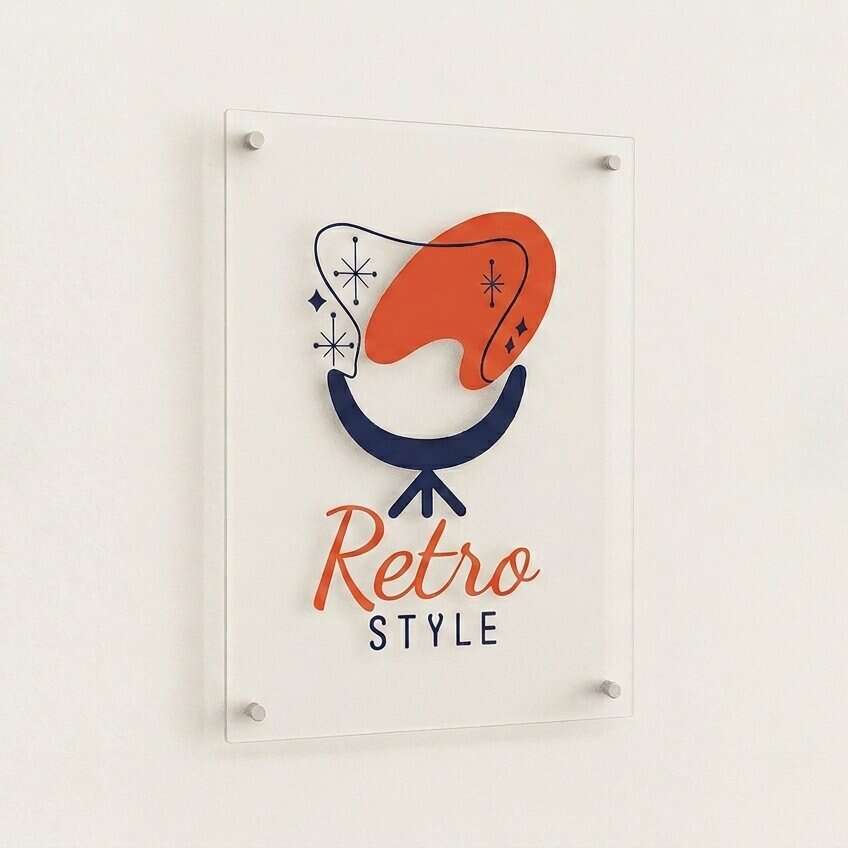
A well-made outdoor sign does more than display a name. It signals that your business is open, established, and worth noticing. Whether mounted above a storefront, installed on a monument base, or illuminated in a window, custom outdoor signs shape first impressions long before someone walks through the door.
Choosing the right sign involves more than picking a font and color. You need to think about weather exposure, visibility distance, material durability, local regulations, lighting requirements, and long-term maintenance. This guide breaks down everything you need to know—from outdoor sign materials to outdoor sign size considerations and practical outdoor sign design strategies—so you can make informed decisions that last.
Why Custom Outdoor Signs Matter
Outdoor signage works 24/7. Even when your doors are closed, your sign continues to advertise your presence. For brick-and-mortar businesses especially, signage is often the most cost-effective long-term marketing investment.
Strong custom outdoor signs help:
- Increase walk-in traffic
- Reinforce brand recognition
- Create photo-worthy storefronts
When designed properly, an outdoor sign becomes part of your identity, not just a label on a wall.
Where Are Outdoor Signs Most Commonly Used
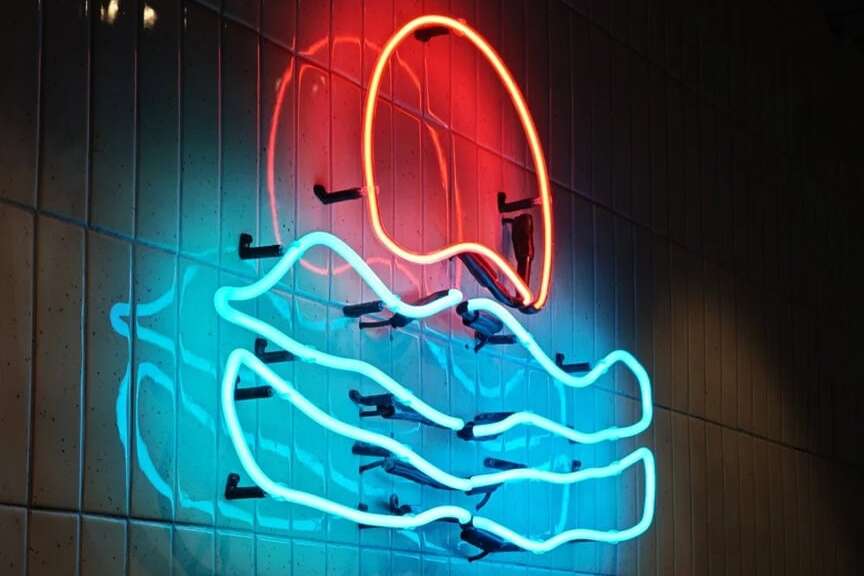
Custom outdoor signs are used across a wide range of industries and settings. Retail storefronts rely on them for primary business identification and window displays. Restaurants and cafés often install outdoor neon light signs to highlight their name, logo, or signature offerings—especially in patio or evening dining areas. Salons, gyms, and studios use illuminated lettering to increase visibility in shopping centers. Corporate offices and medical buildings typically install dimensional or monument-style signage for wayfinding and professional branding.
Beyond commercial spaces, outdoor signs are increasingly popular in residential settings as well. Homeowners use personalized backyard signage for parties and outdoor décor, poolside décor, garden walls, and outdoor kitchens. If you’re looking for inspiration tailored specifically to these spaces, explore our Patio Sign Ideas for Homes & Businesses for creative ways to enhance both residential and commercial outdoor areas. Event planners also incorporate custom outdoor signs into weddings, pop-up markets, and seasonal celebrations to create memorable photo backdrops.
Personalized Backyard Signs: Ideas for parties, outdoor Décor & Unique Gifts
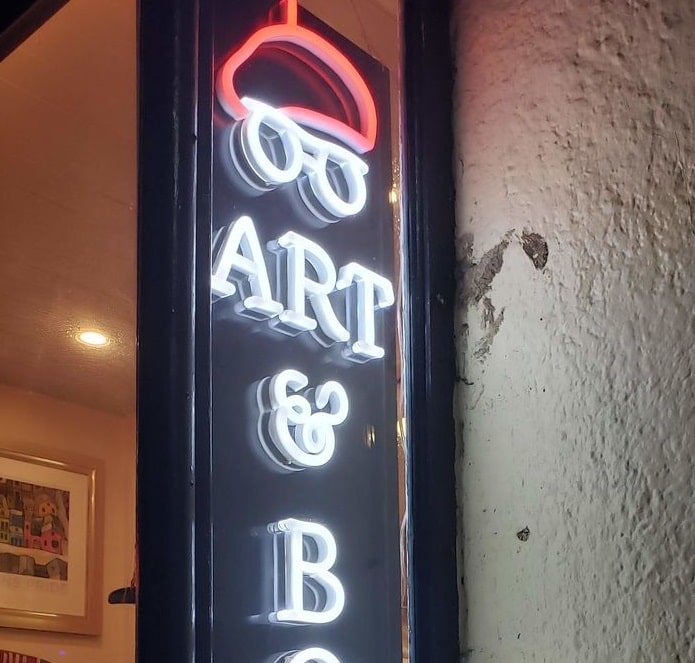
Understanding Outdoor Sign Materials
The foundation of any successful sign is material selection. Outdoor sign materials must withstand sun exposure, moisture, wind, temperature fluctuations, and occasional impact.
Below is a breakdown of common materials used in custom outdoor signs.
1. Aluminum
Aluminum is one of the most popular outdoor sign materials due to its durability and corrosion resistance.
Pros:
- Lightweight
- Rust-resistant
- Long lifespan
- Suitable for panel signs and dimensional letters
Best for: Wall-mounted business signs, directional signage, metal backplates.
2. Acrylic
Acrylic offers a clean, modern appearance and works well for illuminated signs.
Pros:
- Smooth finish
- Available in multiple colors
- Good weather resistance
- Ideal for light diffusion
Best for: Backlit signs, dimensional lettering, illuminated panels.
3. PVC and Foam Board
Expanded PVC is lightweight and affordable, often used for dimensional lettering.
Pros:
- Easy to fabricate
- Budget-friendly
- Good for moderate climates
Best for: Raised letters mounted to exterior walls under covered areas.
4. Wood
Wood signs offer a warm, handcrafted look but require sealing and maintenance.
Pros:
- Natural aesthetic
- Custom carved options
Cons:
- Requires weatherproof coating
- Susceptible to warping if untreated
Best for: Boutique storefronts, cafés, rustic brands.
5. Stainless Steel
Used for high-end commercial signage, stainless steel provides strength and polish.
Pros:
- Extremely durable
- Modern appearance
- Corrosion-resistant
Best for:Corporate offices, architectural signage
Outdoor Neon Sign Materials
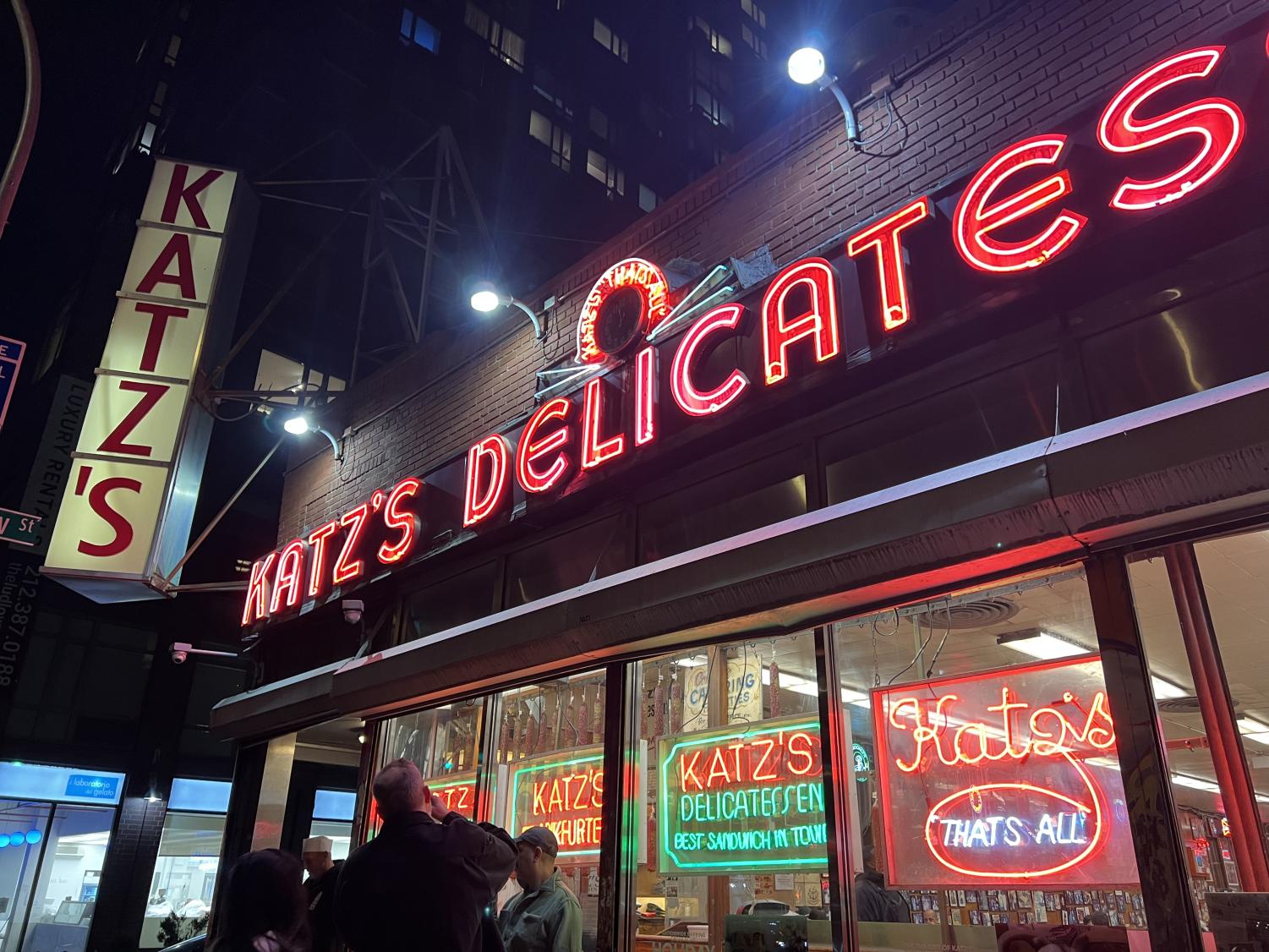
Illuminated signage adds visibility after sunset and during overcast conditions. When considering an outdoor neon light, material selection becomes even more important.
Modern outdoor neon sign materials typically include:
- LED neon flex tubing (silicone or PVC encased)
- Acrylic backing panels
- Waterproof connectors
- Weather-rated power supplies
Unlike traditional glass neon, LED neon is more impact-resistant and energy-efficient, making it suitable for exterior applications when properly rated.
When evaluating outdoor neon light options, confirm:
- IP rating (IP65 or higher recommended for outdoor use)
- UV-resistant casing
- Sealed wiring connections
- Proper drainage or mounting orientation
Outdoor neon signs work especially well for restaurants, salons, retail shops, and event venues that want strong nighttime visibility.
Comparing Illuminated vs Non-Illuminated Signs
When planning custom outdoor signs, one major decision is whether to include lighting.
Non-Illuminated Signs
- Lower initial cost
- Suitable for daylight visibility
- Simple installation
Illuminated Signs
- Visible at night
- Increased foot traffic
- Stronger visual presence
- Better brand recognition
For businesses open in the evening, illuminated signage—especially outdoor neon light designs—often provides better long-term value.
Outdoor Sign Size Guidelines
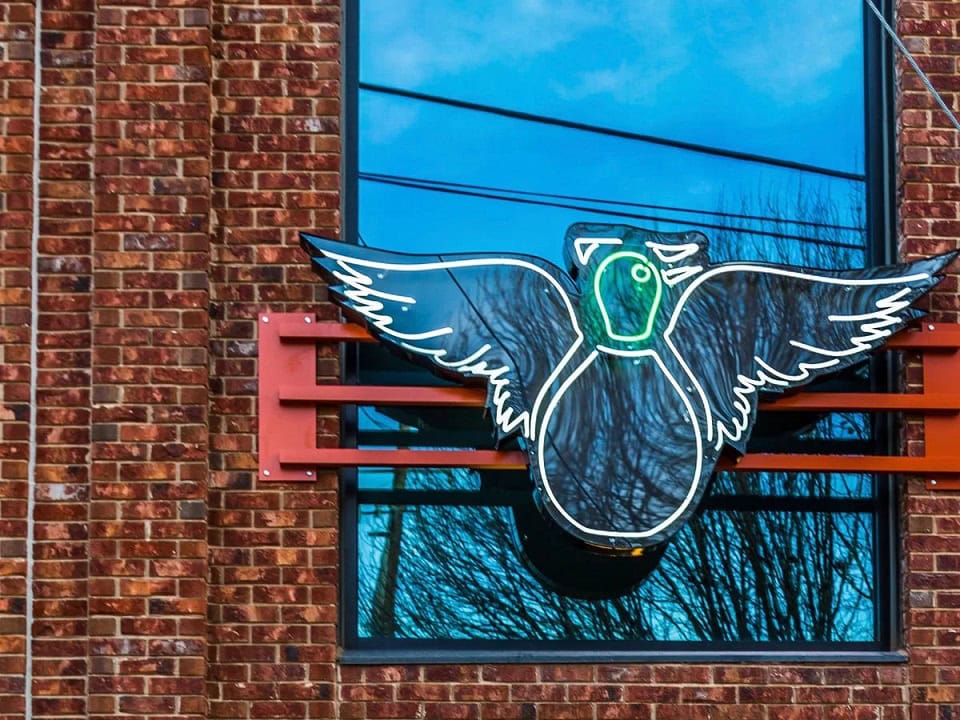
Choosing the right outdoor sign size depends on viewing distance, mounting height, and local regulations.
Viewing Distance Rule of Thumb
A common guideline:
- 1 inch of letter height for every 10 feet of viewing distance.
For example:
- If your storefront is viewed from 100 feet away, letters should be roughly 10 inches tall.
Storefront Scale
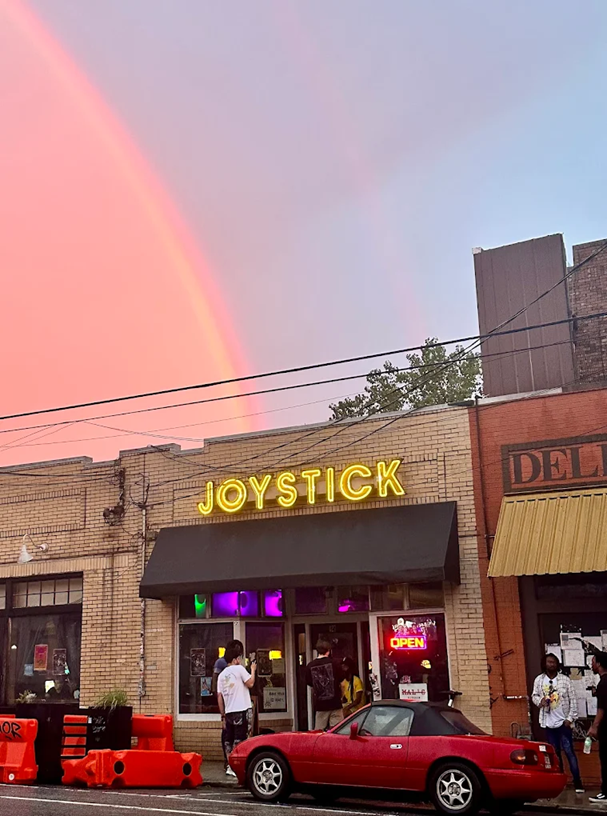
Your outdoor sign size should complement the building facade.
Too small:
- Looks unprofessional
- Hard to readunprofessional
- Gets visually lost
Too large:
- May violate city codes
- Overwhelms architecture
- Appears unbalanced
Measure available wall space carefully and consider architectural lines such as awnings, windows, and trim.
Local Permit Considerations
Most cities regulate custom outdoor signs. Requirements vary but may include:
- Maximum square footage
- Height restrictions
- Illumination rules
- Electrical permits
- Historic district limitationspermits
Before fabrication, check with:
- City planning department
- Local zoning officedepartment
- Landlord (if leasing)
Outdoor neon light installations often require additional electrical approval. Failing to secure permits can result in fines or removal orders.
Designing Effective Outdoor Signs
Good outdoor sign design balances clarity and creativity.
1. Prioritize Legibility
Use bold fonts that are easy to read from a distance. Script fonts can work, but only if stroke thickness and spacing are carefully planned.
2. Limit Text
A storefront sign should focus on:
- Business name
- Logo
- Possibly a short descriptor
Too much information reduces readability.
3. Choose High-Contrast Colors
Dark letters on light backgrounds—or vice versa—improve visibility.
For outdoor neon signs, warm white, red, and pink are highly visible, while pastel tones may appear softer from a distance.
4. Consider Lighting Conditions
Your sign should remain readable:
- In direct sunlight
- At dusk
- At night
Outdoor neon light elements can highlight key words without overwhelming the design.
Weather and Environmental Factors
Climate plays a major role in selecting outdoor sign materials.
High Heat Areas
- Choose UV-resistant materials
- Avoid low-grade plastics
Coastal Locations
- Use corrosion-resistant metals
- Seal electrical components carefully
Cold Climates
- Ensure materials won’t become brittle
- Protect wiring from moisture infiltration
Custom outdoor signs should be built for the environment they’ll live in.
Mounting and Installation
Installation impacts longevity and safety.
Common mounting methods include:
- Stud mounting
- Raceway mounting
- Direct wall attachment
- Hanging brackets
For outdoor neon light signage, power supplies should be positioned in protected areas and wiring concealed cleanly.
Professional installation reduces risk and ensures compliance with local codes.
Maintenance Expectations
Even durable outdoor sign materials require occasional maintenance.
- Clean surfaces regularly
- Check mounting hardware
- Inspect wiring annually
- Replace dimming components if needed
LED-based outdoor neon signs typically require less maintenance than traditional neon or fluorescent lighting.
Budget Planning
Custom outdoor signs vary widely in cost depending on:
- Size
- Material
- Illumination
- Installation complexity
Non-illuminated aluminum panel signs may start at a few hundred dollars, while large illuminated outdoor neon light installations can reach several thousand.
Balance upfront investment with expected lifespan and visibility impact.
DIY vs Professional Fabrication
Some business owners explore building their own signage. While certain panel signs can be DIY-friendly, illuminated custom outdoor signs often require specialized equipment and fabrication experience.
Precision matters when it comes to:
- Waterproof sealing
- Electrical safety
- Balanced letter spacing
- Structural support
If the goal is long-term durability and polished presentation, professional production is often the more practical route.
A Practical Option for Custom Neon Outdoor Signs
If you’re considering illuminated signage, modern LED neon offers flexibility and durability for exterior use when built with appropriate outdoor neon sign materials.
Neon sign brands like Echo Neon take pride in working with commercial-grade LED neon flex, weather-rated components, and precision-cut backings to create outdoor-ready signage. You can browse pre-made designs or submit your own text or logo for customization. Their teams handle layout adjustments, proportion balancing, and fabrication details so the final piece arrives ready for installation.
For many business owners, it’s a matter of efficiency—sharing the concept and allowing experienced fabricators to translate it into a clean, durable outdoor neon light solution that fits the space properly.
Trends in Custom Outdoor Signs
Outdoor signage continues to evolve. Current trends include:
- Minimalist letter-only signs
- Halo-lit dimensional letters
- Mixed material signs (metal + neon)
- Soft white outdoor neon accents
- Sculptural illuminated logos
As storefront aesthetics shift toward cleaner architectural lines, custom outdoor signs are becoming more integrated into building design rather than appearing as separate attachments.
From Inspiration to Installation
Investing in custom outdoor signs is both a branding decision and a structural one. The right combination of outdoor sign materials, appropriate outdoor sign size, thoughtful outdoor sign design, and weather-resistant construction ensures your sign performs for years.
Illuminated options—especially modern outdoor neon light designs—offer visibility that extends beyond daylight hours, helping businesses stand out in competitive environments.
Whether you choose aluminum panels, dimensional acrylic letters, or a fully illuminated outdoor neon sign, careful planning makes all the difference. When material durability, proportion, and design clarity align, your sign becomes more than identification—it becomes a defining feature of your space.